Integrated Mounting
Keep the module and discharge end together at the duct.
ION PURIFICATION SOLUTION
Select negative-ion or bipolar plasma modules around mounting volume, emitter location and the vehicle HVAC controller. Compare integrated, remote-emitter and dual-emitter assemblies, then confirm power, commands, supported feedback and testing for the selected module.
Keep the module and discharge end together at the duct.
Separate the electronics from the emitter position.
Reach two air paths with a matched two-head assembly.
HOW THE SYSTEM WORKS
From the HVAC controller to the discharge electrodes, MAXMAC modules convert electrical power into ion output and use system airflow to carry the ions into the air path.
The HVAC controller supplies low-voltage power and enables ion generation through the selected module’s control interface.
An oscillator and step-up circuit convert the low-voltage input into the high voltage needed at the discharge electrodes.
The discharge produces negative ions in a negative-ion module, or positive and negative ions in a bipolar plasma module.
HVAC airflow carries ions from the emitter into the air path. Delivery depends on emitter placement and operating airflow.
Explore the principles: How a negative ion generator works · How a plasma ion generator works.
INSTALLATION OPTIONS
Start with the available mounting volume and the required emitter locations, then select the module structure and control interface.
01 / INTEGRATED MODULE
When there is space for the module next to the duct, keep the housing and discharge end together. Fix the mounting bracket to the vehicle’s screw bosses or an agreed support, with the emitter presented to the airflow.

| Module | 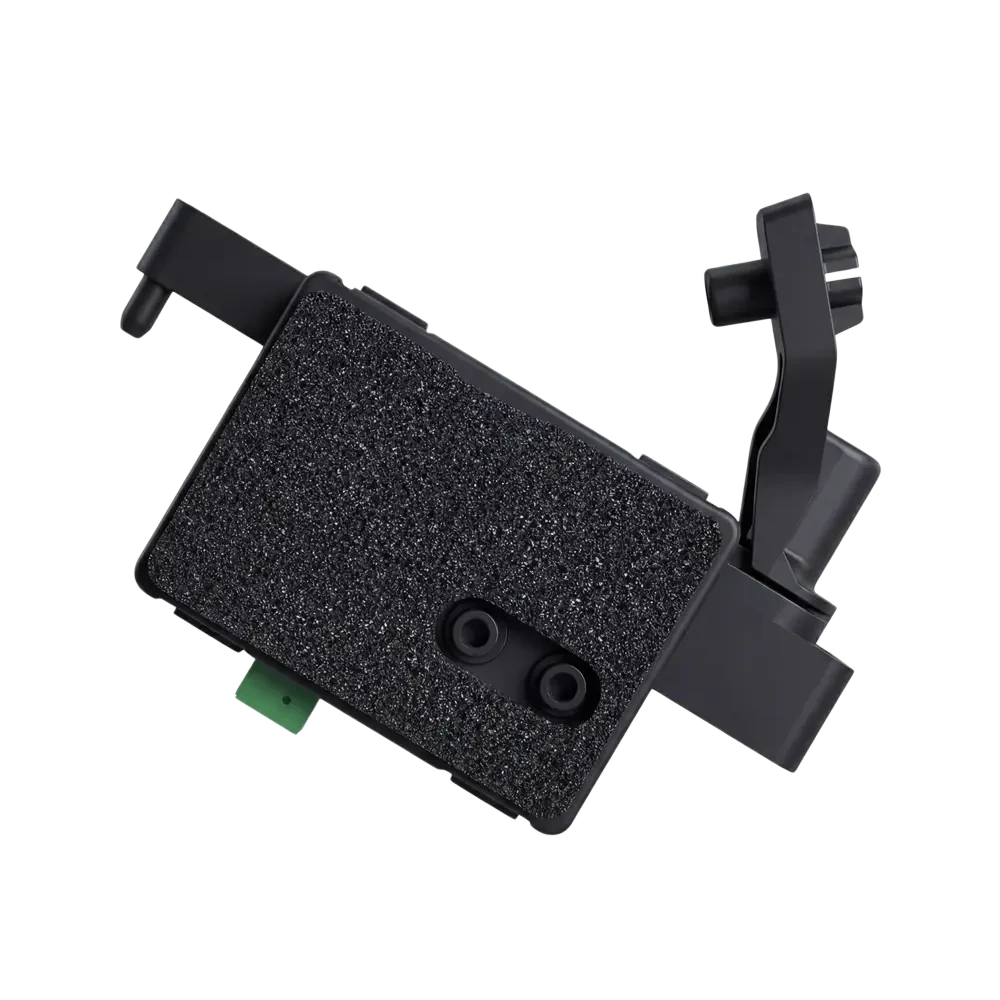 Q05 | 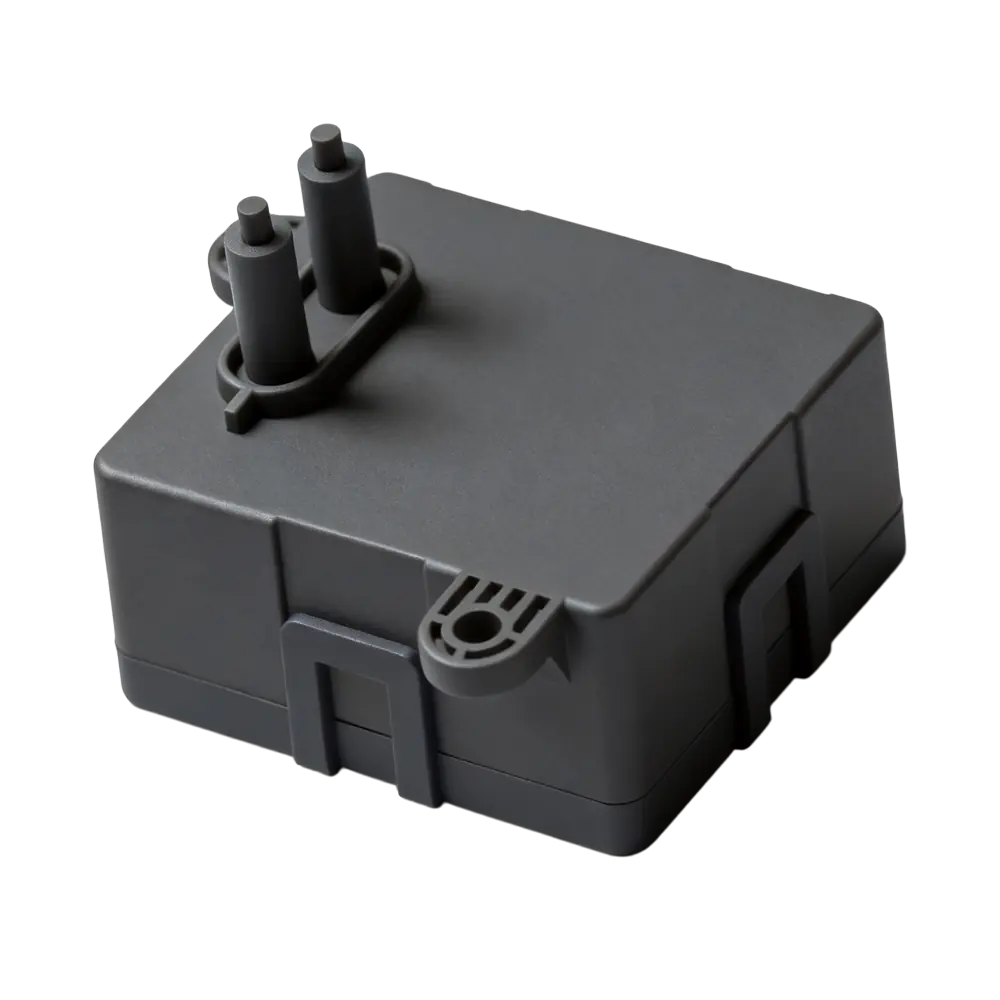 M96 | 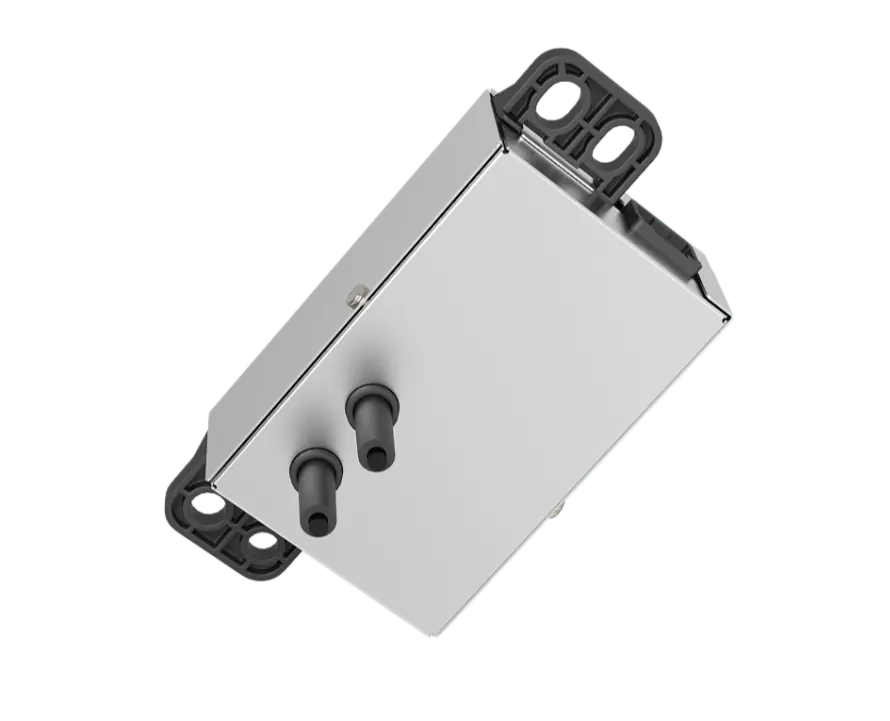 M1801 |
|---|---|---|---|
| Ion output | Negative ions | Positive & negative ions | Positive & negative ions |
| Mechanical format | Bracketed housing | Integrated electrode pair | Integrated electrode pair |
| Operating voltage | 9–16 VDC | 9–16 VDC | 10–16 VDC |
| Operating current | ≤70 mA | ≤40 mA | 10 mA rated at 12 VDC |
| Control interface | LIN | Enable inputs + diagnostic output | Separate ON/OFF input |
| Product details | Check More | Check More | Check More |
02 / REMOTE EMITTER & EXTENDED LEAD
For a curved duct or a shallow space behind the outlet, mount the main housing on an accessible support and route the lead to a separate discharge head. A twist-lock emitter mounting and a retained harness separate the two installation tasks.

| Module | 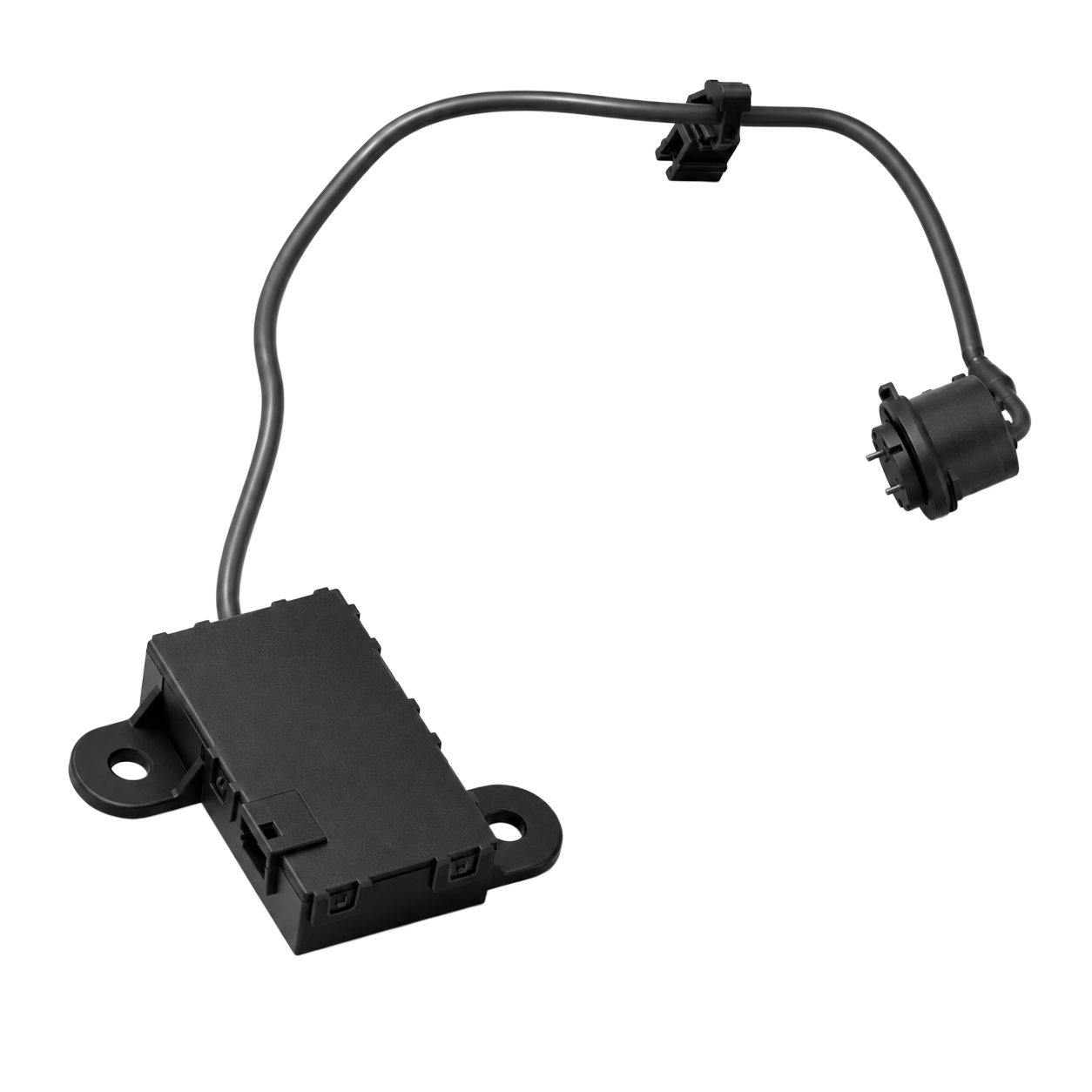 M30 | 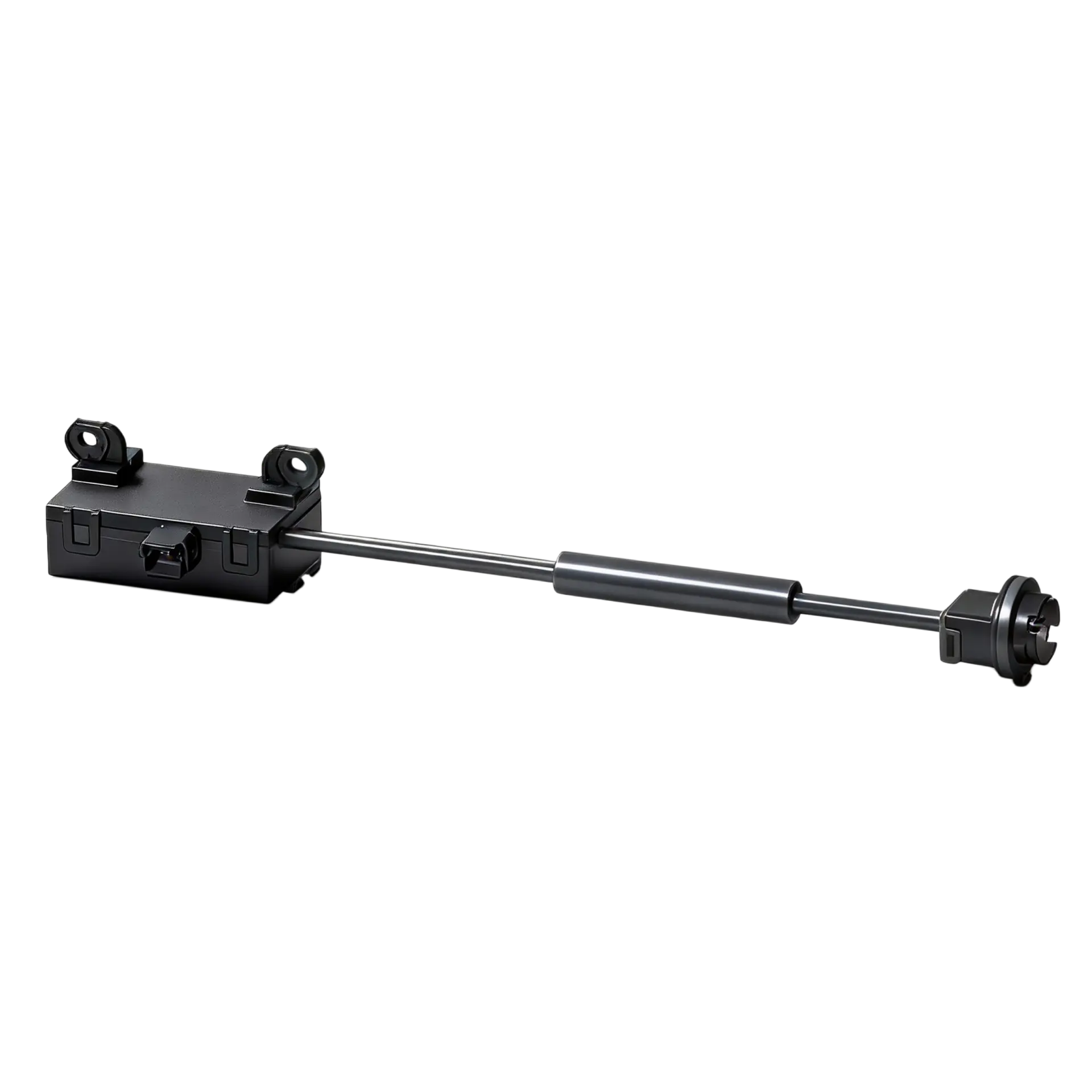 M2901 | 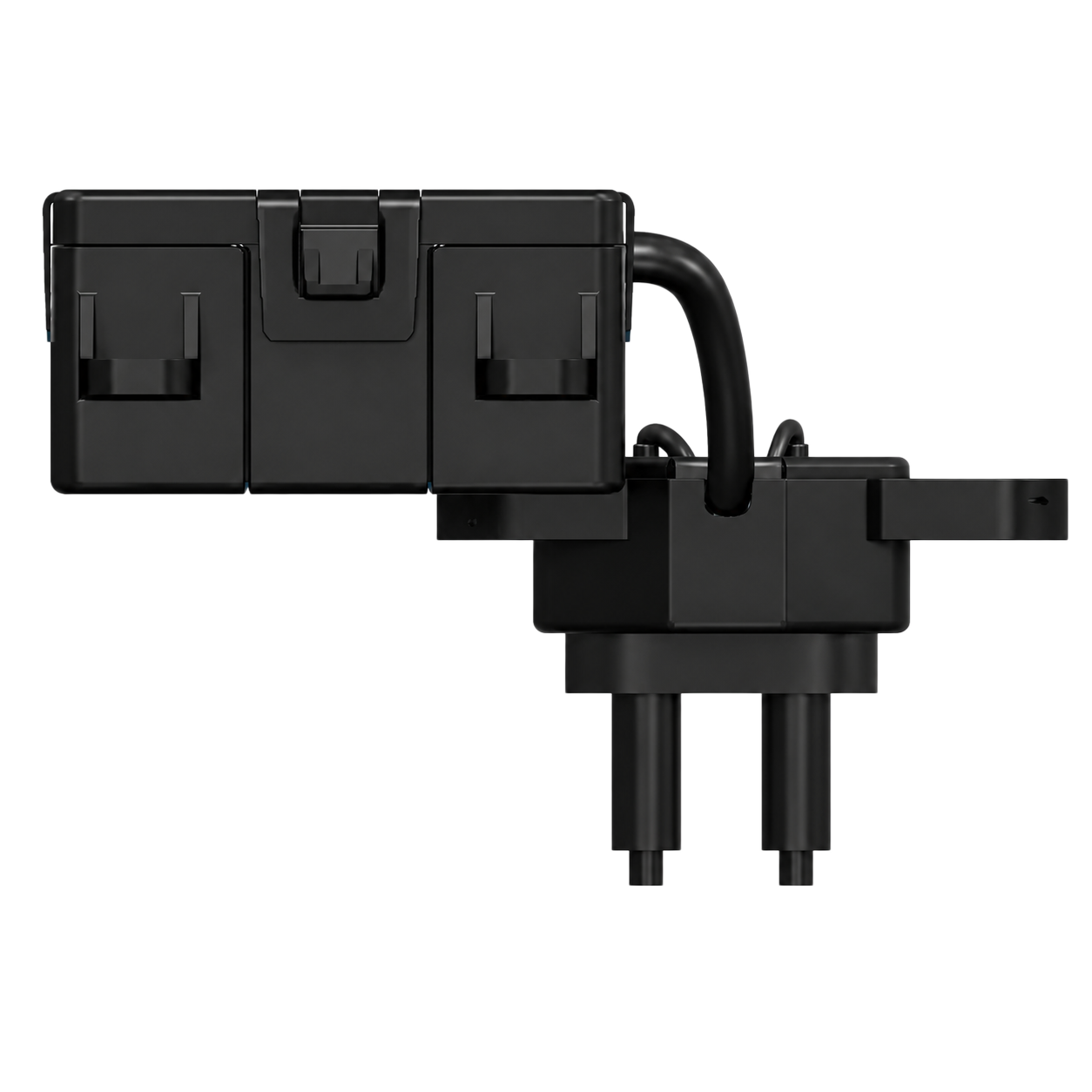 FS11 | 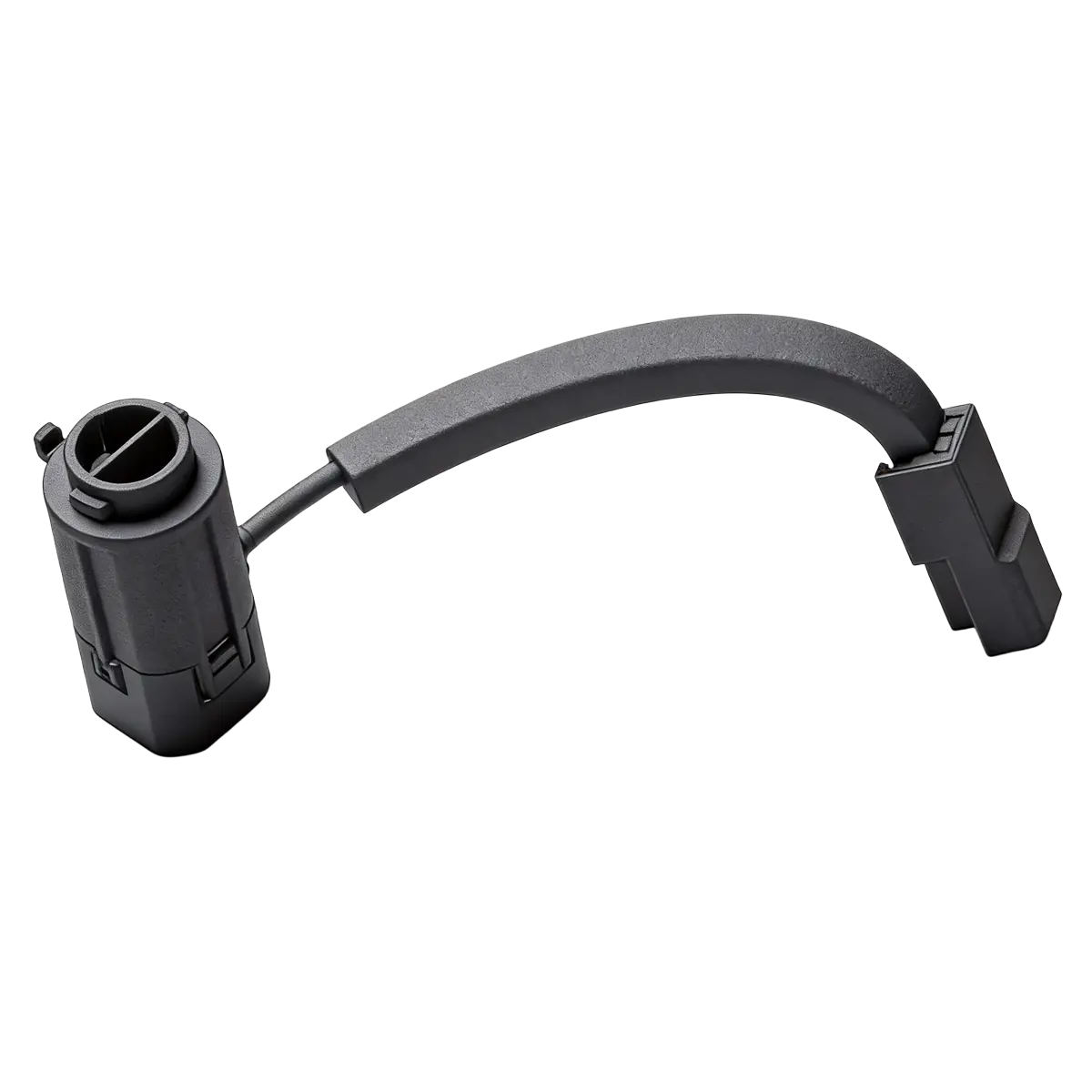 B02 |
|---|---|---|---|---|
| Ion output | Negative ions | Negative ions | Negative ions | Positive & negative ions |
| Mechanical format | Single remote discharge head | Single remote discharge head | Short-offset discharge head | Compact head with supply lead |
| Operating voltage | 9–16 VDC | 9–16 VDC | 9–16 VDC | 9–16 VDC |
| Operating current | ≤100 mA | ≤80 mA | ≤70 mA | ≤50 mA |
| Control interface | LIN | EN + DIG | LIN | Supply switching |
| Product details | Check More | Check More | Check More | Check More |
03 / DUAL-EMITTER ASSEMBLY
When the duct branches or two outlets need separate installation points, the M28 / M2801 architecture routes two discharge heads from a common module. Each head can be mechanically located at its assigned air path.

| Module | 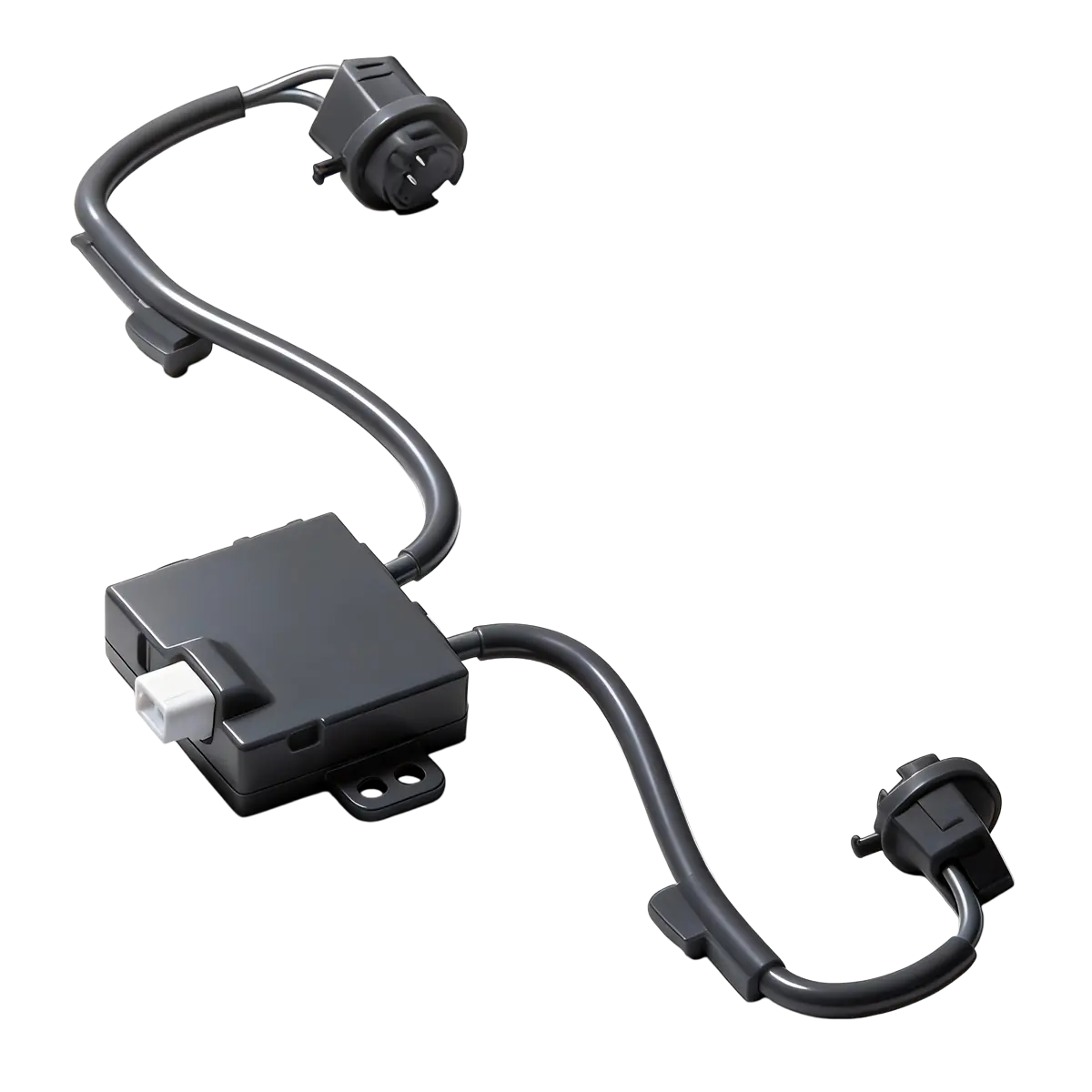 M2801 |
|---|---|
| Ion output | Negative ions |
| Mechanical format | Two remote discharge heads |
| Operating voltage | 9–16 VDC |
| Operating current | ≤100 mA |
| Control interface | LIN |
| Product details | Check More |
INTELLIGENT COCKPIT CONTROL
Integrate negative-ion or bipolar plasma control into the vehicle’s central display and HVAC architecture. MAXMAC can match the module interface to your controller, with on/off commands and operating feedback defined for the selected module.


1 / 2
WHY CHOOSE MAXMAC


NEGATIVE ION & PLASMA INSIGHTS
NEGATIVE ION TECHNOLOGY
Explore high-voltage conversion, carbon-brush ion generation and integration with automotive HVAC systems.
Read the Article →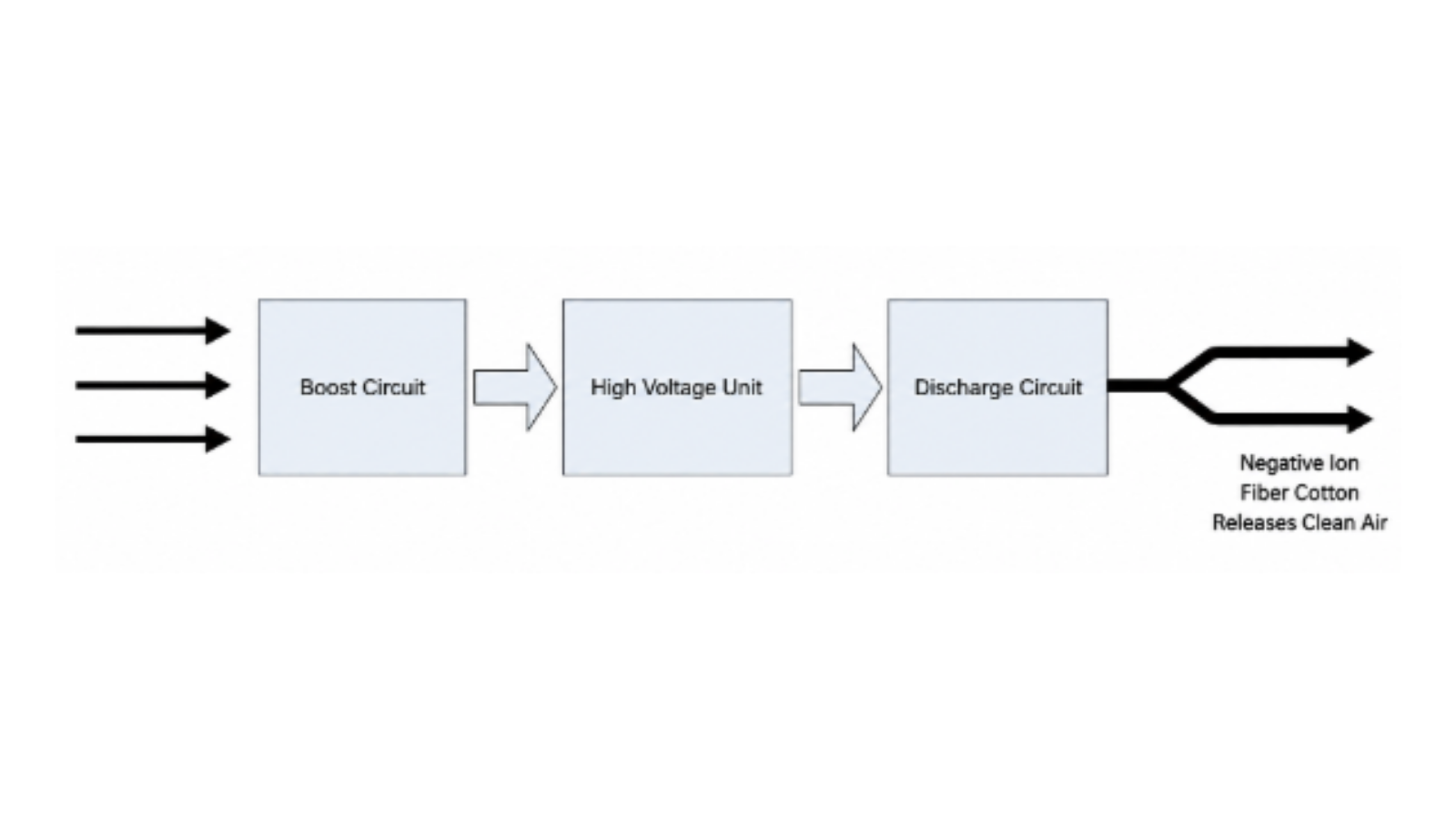
BIPOLAR PLASMA TECHNOLOGY
Learn how alternating high voltage generates positive and negative ions, and how airflow and testing shape a plasma air-treatment system.
Read the Article →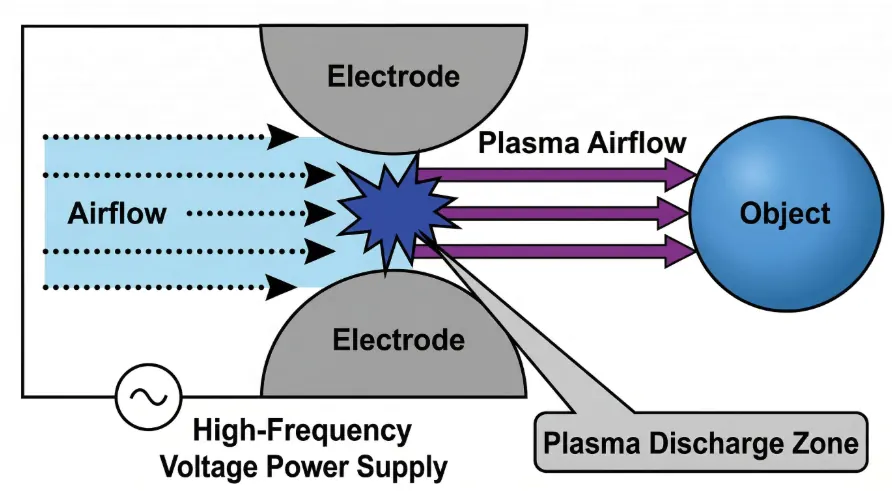
Module Options
Compare representative integrated and remote-emitter products; the installation tables above retain the detailed options.
Ion Module
Bracketed module with LIN control for an integrated emitter installation.
Explore the ProductIon Module
Separate the main housing from the discharge head to suit the available duct space.
Explore the ProductIon Module
Route two discharge heads from the shared module to the agreed air paths.
Explore the ProductIon Module
Integrated positive and negative electrodes with the selected enable and diagnostic interface.
Explore the ProductConnected Solutions & Applications
Continue with the related system or application that matches the project. Each page covers its own product choices and integration role.

Solution
Bring cabin and outside-air measurements to the vehicle controller.
Explore the Solution
Automotive OEM Solution
Specify vehicle fragrance modules, HMI behavior and cartridge management.
Explore the SolutionApplication
Connect cabin measurements with vehicle HVAC decisions and the selected cockpit functions.
Explore the ApplicationShare the mounting volume, emitter locations and control interface. We can help you review the module assembly and testing requirements.