Multi-Parameter Sensing
Select dedicated or integrated sensing configurations for PM2.5, CO₂, TVOC, temperature and humidity.
Complete Indoor Environmental Monitoring
Select A54 room sensors, CO₂ modules or the configurable multi-sensor platform for the measurements your device needs. Integrated IAQ thermostats combine supported readings with HVAC control. This solution focuses on the sensing and monitoring layer; connected equipment responds through its configured controller.
Select dedicated or integrated sensing configurations for PM2.5, CO₂, TVOC, temperature and humidity.
Combine IAQ sensing with wall-mounted panels, smart thermostats and HVAC controllers for room-level monitoring and control.
Connect compatible devices to fresh-air units, AHU equipment, HVAC systems and building controls through project-specific communication interfaces.
What We Monitor
A reliable indoor air quality monitoring system should measure both airborne pollutants and indoor comfort conditions. MAXMAC sensors can monitor PM2.5, CO₂, TVOC, temperature and humidity individually or in an integrated multi-parameter configuration.
Monitor PM2.5 and other airborne particle concentrations to evaluate indoor pollution changes, filtration performance and ventilation requirements.
Measure indoor CO₂ concentrations to evaluate ventilation conditions and provide data for occupancy-related fresh-air control.
Track changes in total volatile organic compounds released by furniture, decoration materials, cleaning products and other indoor pollution sources.
Measure indoor temperature and relative humidity to support occupant comfort, HVAC regulation and indoor environmental management.
How the System Works
MAXMAC connects indoor air quality sensors, monitoring panels and integrated HVAC controllers to create a complete monitoring and control architecture. Environmental data is collected in real time, transmitted through compatible communication interfaces and used by connected systems to support ventilation, filtration and climate-control strategies.

Multi-parameter sensors continuously measure PM2.5, CO₂, TVOC, temperature and humidity in rooms or HVAC equipment.

Sensor data is transmitted to monitoring panels, smart thermostats, HVAC controllers or building systems through RS485, UART, Modbus, WiFi or Ethernet, depending on the selected device.

Users can view current indoor air quality conditions through wall-mounted panels, desktop controllers or compatible building and cloud platforms.

Connected HVAC systems can use monitoring data to support fresh-air adjustment, filtration management, temperature regulation and humidity control according to the configured control strategy.
Monitoring Equipment
Build the required solution with multi-parameter IAQ sensors, professional air quality monitors and integrated HVAC controllers. Select the appropriate products according to the monitoring parameters, installation method, communication interface and HVAC control requirements.
01
The A54 Series provides dedicated and integrated sensing configurations for HVAC equipment, fresh-air units, AHU systems and air purifiers. Available configurations include PM2.5, CO₂, TVOC, temperature and humidity monitoring. For embedded host designs, compare CO₂ modules and the multi-sensor platform.
View IAQ Sensor Collection02
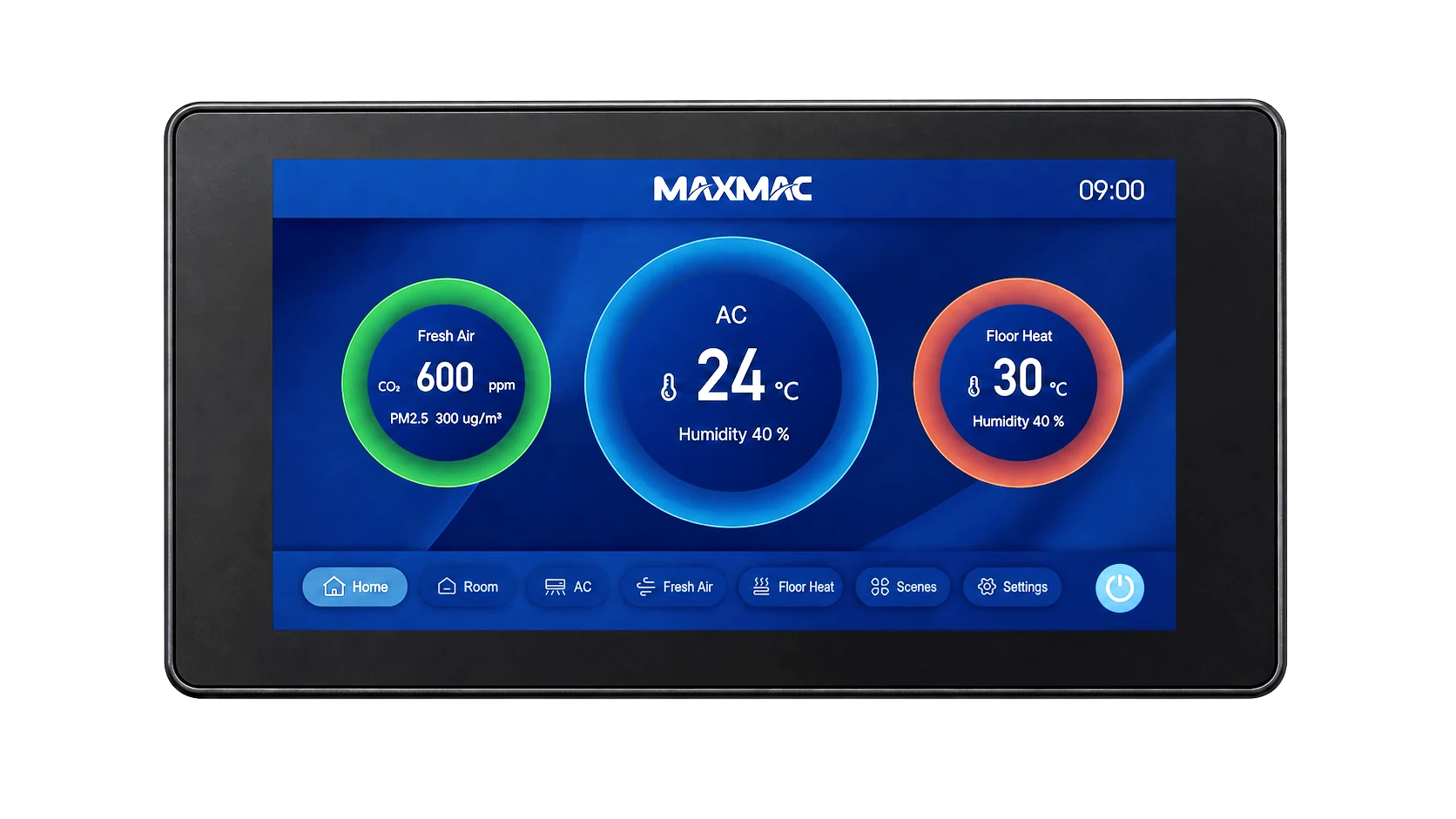
Wall-mounted and desktop devices combine real-time indoor air quality monitoring with HVAC control. Users can view PM2.5, CO₂, temperature and humidity data while managing compatible air conditioning, fresh-air ventilation and temperature-control systems through one interface.
View Thermostats & HVAC Controllers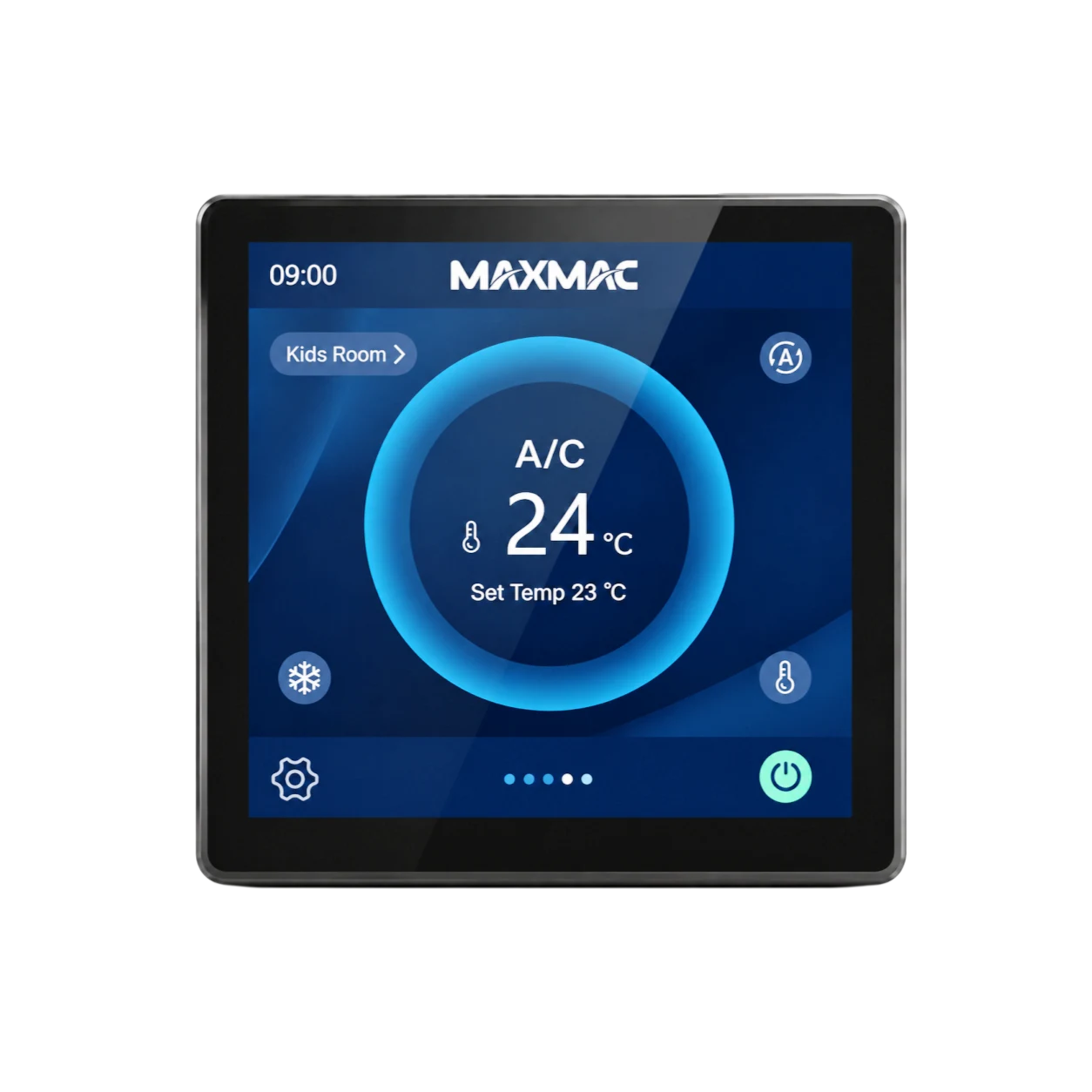
Connected IAQ Monitoring
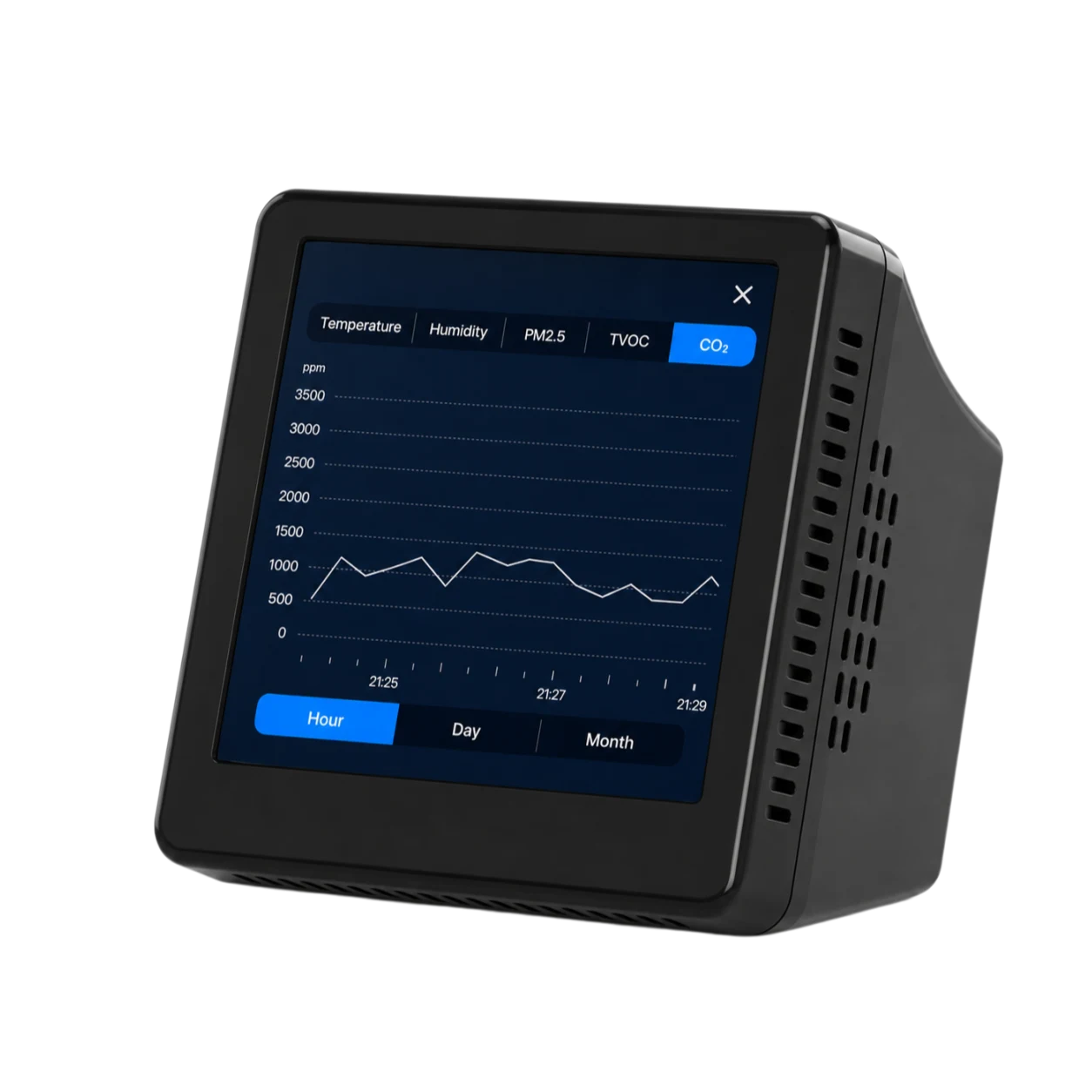
Create a connected indoor air quality monitoring system that collects PM2.5, CO₂, TVOC, temperature and humidity data from individual rooms, HVAC equipment or multiple building zones. Depending on the selected products and project configuration, compatible sensors and controllers can transmit real-time data through RS485, UART, Modbus, WiFi or Ethernet to local displays, HVAC systems, building management systems, cloud platforms or a compatible air quality monitor app.
Discuss Your IAQ Project


1 / 4
| Parameter | Averaging Time | Guideline Value | Unit |
|---|---|---|---|
| Carbon dioxide | 8 hours | 1800 1000 | mg/m³ ppm |
| Carbon monoxide | 8 hours | 10 9 | mg/m³ ppm |
| Formaldehyde | 8 hours | 120 0.1 | µg/m³ ppm |
| Ozone | 8 hours | 100 0.5 | µg/m³ ppm |
| Suspended / respirable particulate matter | — | 150 | µg/m³ |
| Volatile organic compounds (VOC) | — | 3 | ppm |
| Air temperature | — | 22.5–25.5 | °C |
| Relative humidity (RH) | — | ≤70 | % |
Indicative guideline values supplied for general IAQ education. Applicable national standards, building type and project requirements take precedence.
IAQ Knowledge
Indoor air quality describes the conditions inside and around occupied buildings that affect health, comfort and productivity. It is influenced by particulate matter, carbon dioxide, volatile organic compounds, temperature, humidity, outdoor-air delivery, filtration and pollutant sources.
There is no single worldwide IAQ number. WHO air quality guidelines provide health-based reference values for pollutants such as PM2.5, while ASHRAE standards address ventilation and thermal comfort. CO2 is especially useful for demand-controlled ventilation, but ASHRAE cautions that one CO2 threshold alone does not define acceptable IAQ. TVOC readings are best interpreted as trends because compounds, sources and applicable limits vary.
MAXMAC’s configurable IAQ multi sensor platform monitors most of the core operational indicators used in building air-quality management, including PM2.5, CO2, TVOC, temperature and humidity. Through a unified data interface, these measurements can be delivered to fresh-air systems and HVAC controllers, enabling ventilation, filtration and comfort equipment to respond to real-time indoor conditions and help maintain healthier indoor air quality.
IAQ Calibration System
MAXMAC’s IAQ calibration system validates the complete sensing chain across CO₂, PM, VOC/AQS, temperature, humidity and integrated multi-sensor modules. Controlled gas concentrations, environmental chambers, reference instruments, automated calibration benches and production-data traceability help align individual sensing elements and verify each IAQ platform under application-ready conditions before OEM delivery.

Controlled CO₂ concentration calibration supports stable output accuracy for IAQ, HVAC and ventilation control projects.
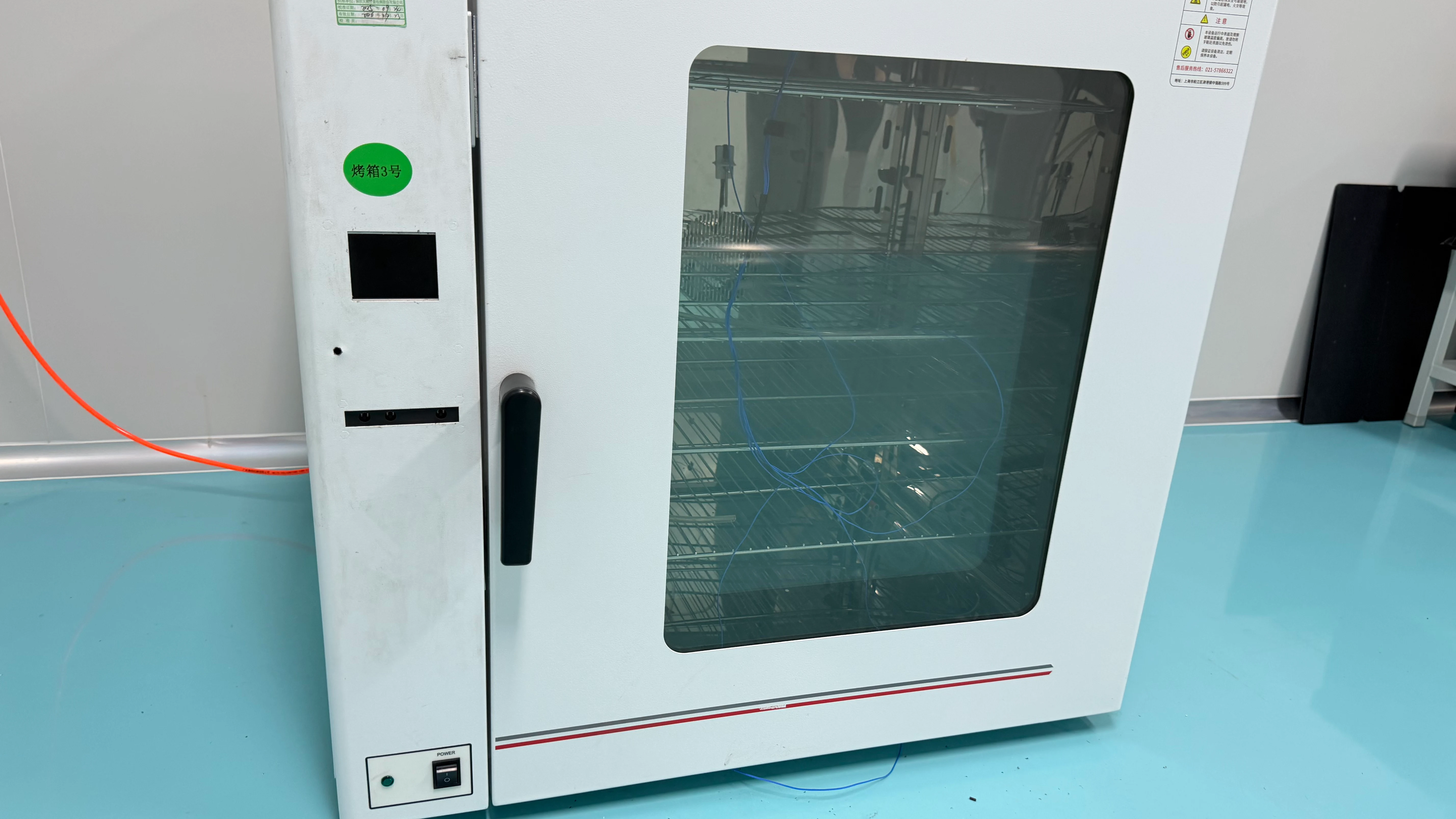
Environmental calibration validates sensor response across changing temperature and humidity conditions.

Integrated sensor boards are calibrated and checked as complete OEM-ready modules before shipment.

VOC and AQS calibration helps align gas response logic for air quality monitoring systems.

Laser-based measurement and calibration processes support stable optical sensing performance.

Multi-point validation checks sensor linearity and consistency before production release.

Particle sensing modules are calibrated with dedicated PM test equipment for reliable dust detection output.
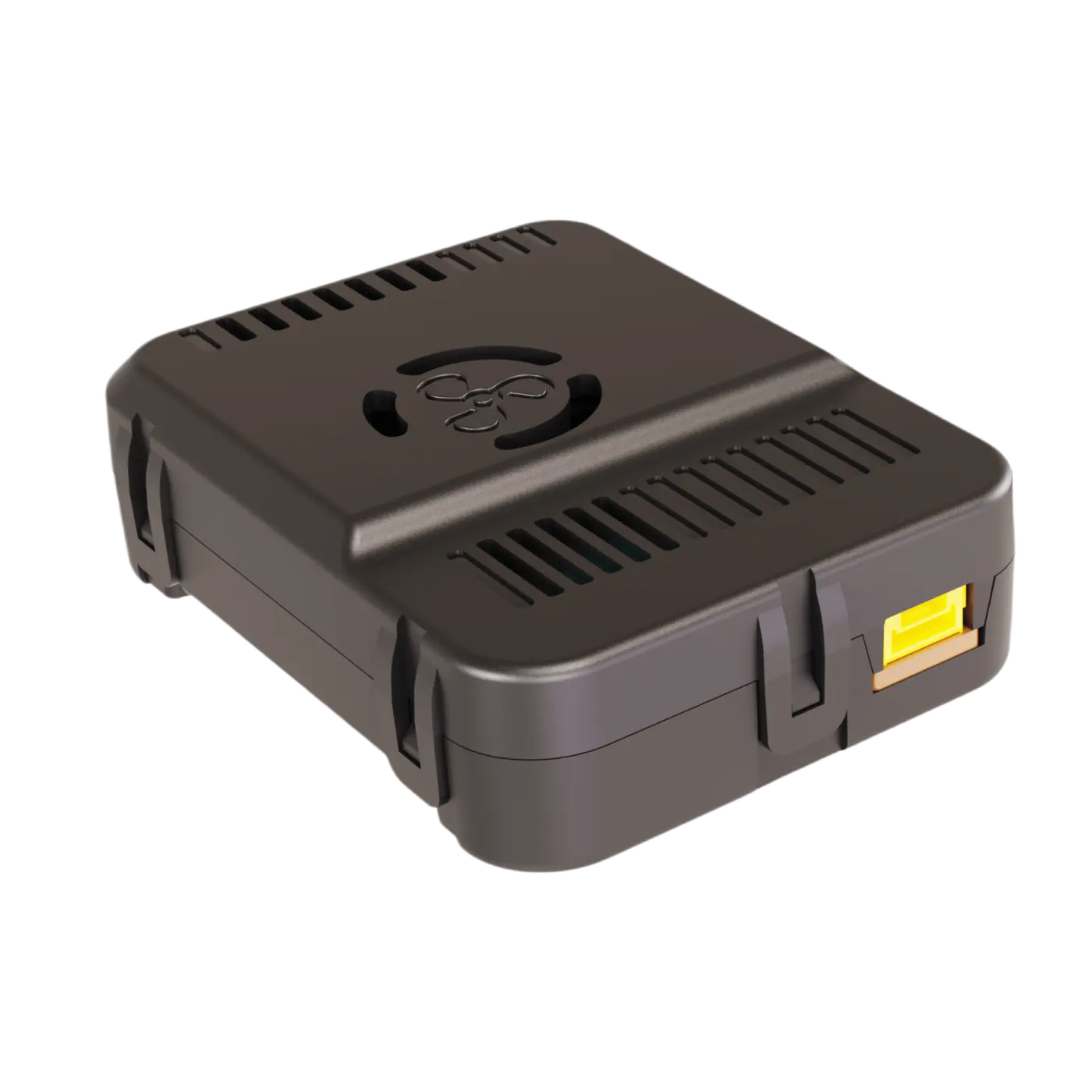
PM2.5, CO₂, TVOC, temperature and humidity for comprehensive room-level IAQ sensing.
Explore Product →PM2.5 measurement for particulate-focused monitoring and compatible filtration or ventilation functions.
Explore Product →PM2.5, temperature and humidity for room comfort and particulate monitoring.
Explore Product →PM2.5, CO₂, temperature and humidity inputs for room monitoring and ventilation integration.
Explore Product →NDIR CO₂ sensing for demand-controlled ventilation and compatible room or equipment controls.
Explore Product →Dedicated temperature and relative-humidity measurements for room comfort applications.
Explore Product →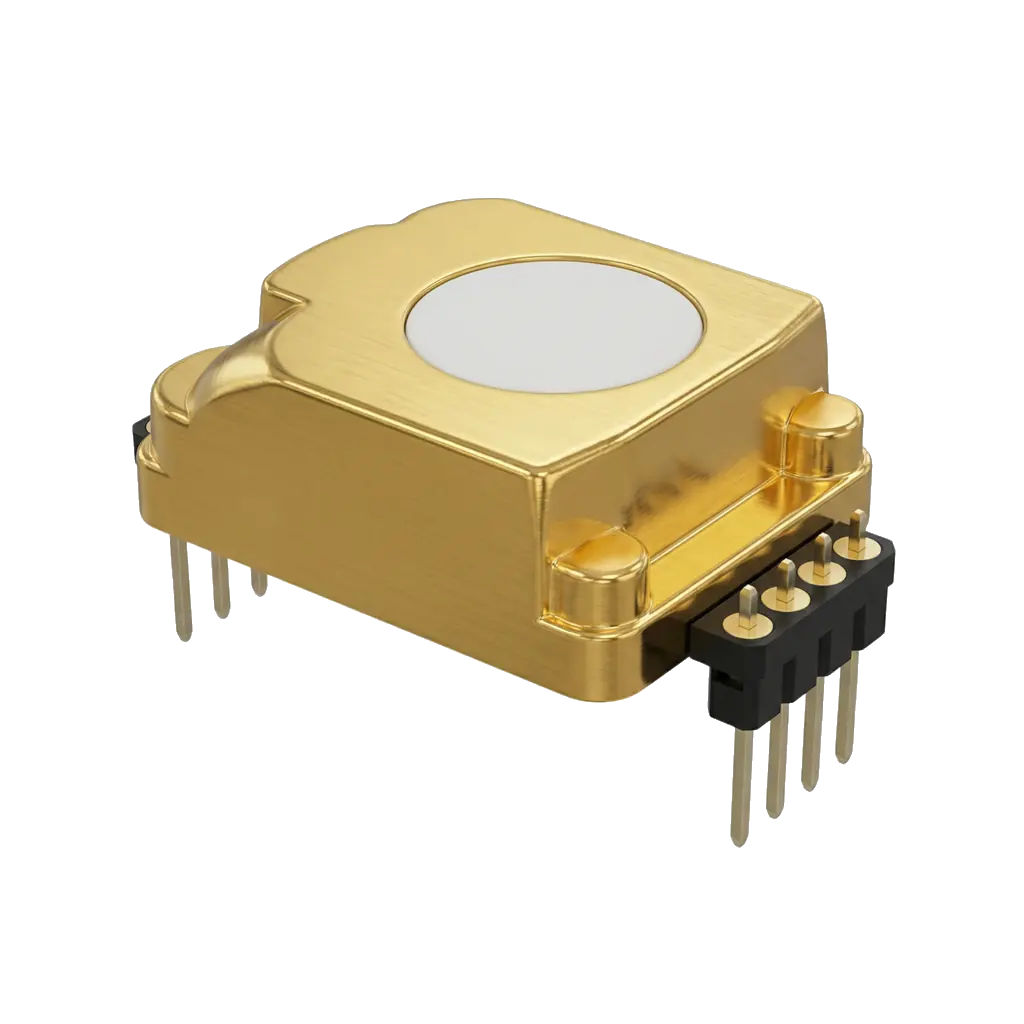
Compact CO₂ sensing for OEM devices, room monitors and compatible ventilation-control systems.
Explore Product →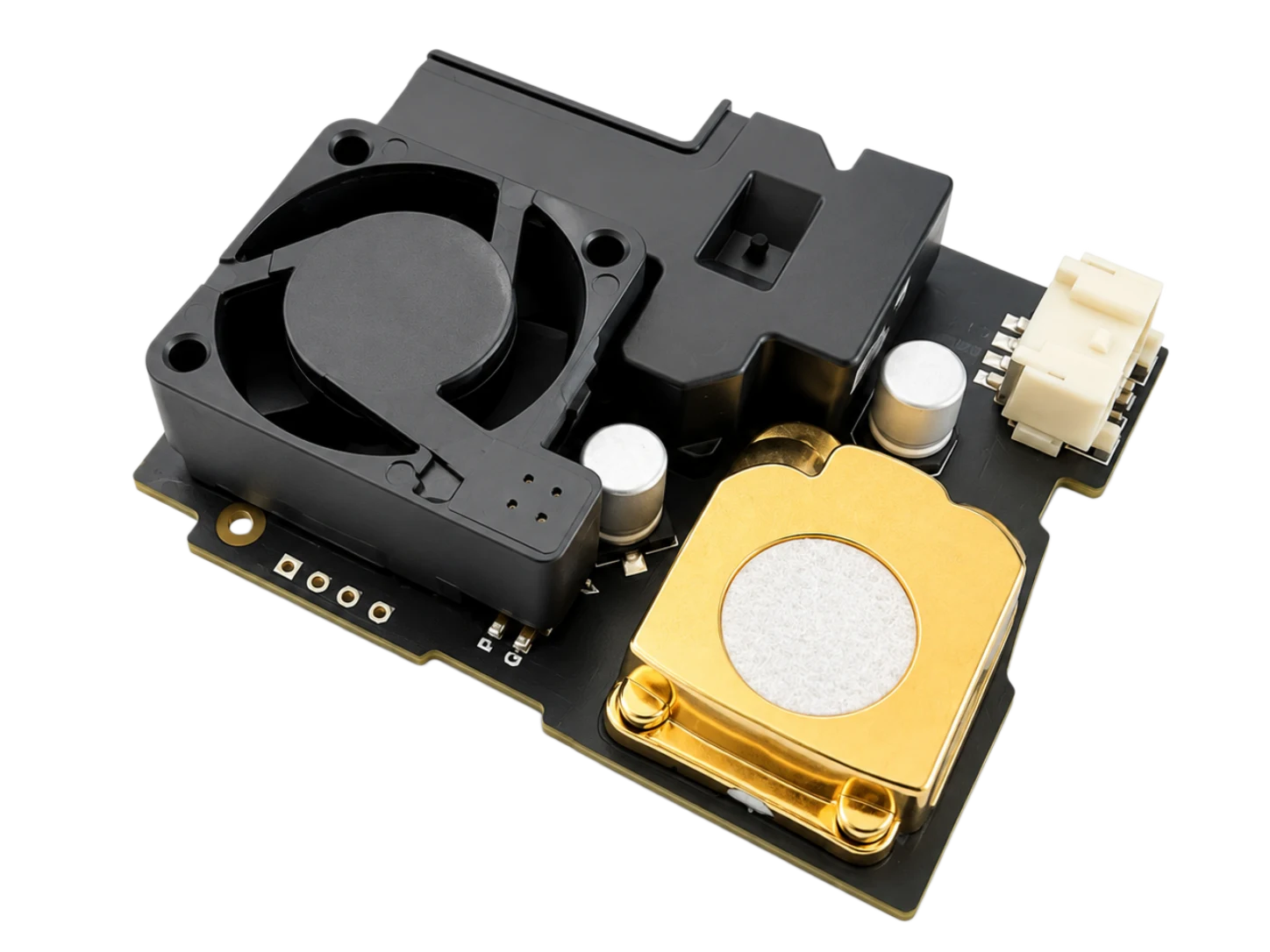
Select measurement combinations, interfaces and integration options around the host device.
Explore Product →Room interface with integrated CO₂, PM2.5, temperature and humidity sensing.
Explore Product →Compact room interface combining environmental readings and compatible HVAC control.
Explore Product →Design Resources
Use the relevant guide when reviewing the sensing, control or installation choices for this solution.
Design Resource
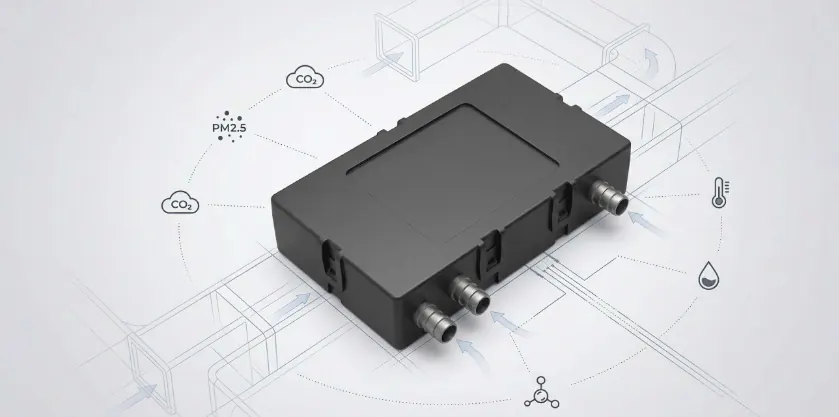
Review sensor combinations, host interfaces and integration choices for an IAQ device.
Read the Guide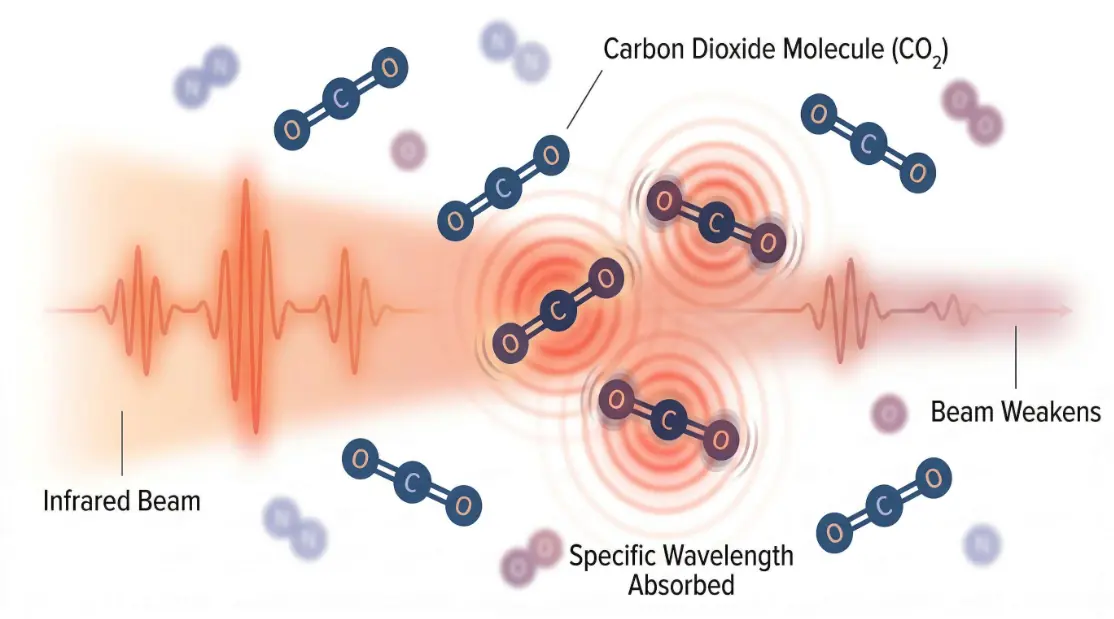
Design Resource
Understand NDIR concentration measurement and its role as a controller input.
Read the Guide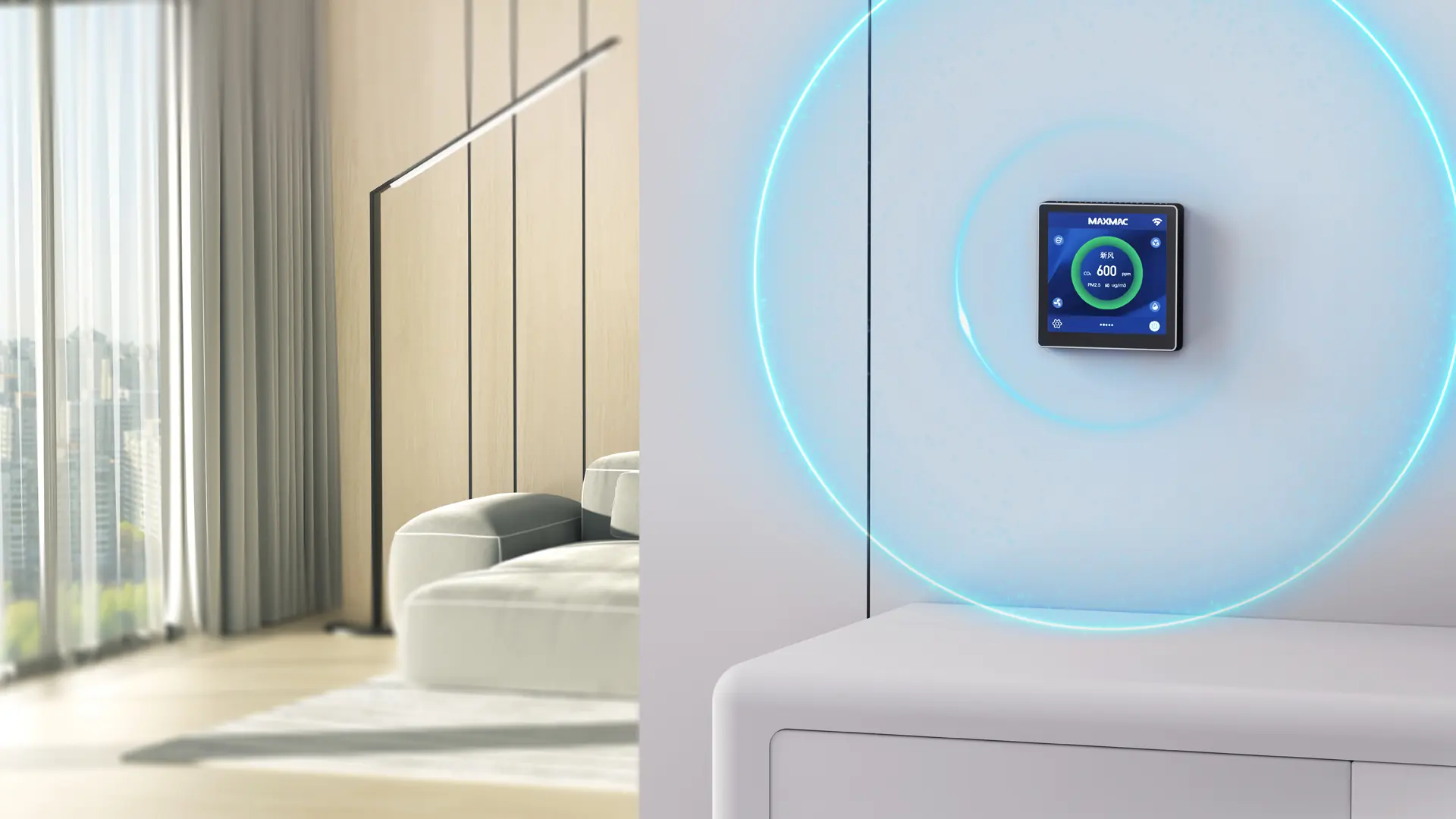
Design Resource
Review the relationship between room measurements, the thermostat and connected equipment.
Read the GuideConnected Solutions & Applications
Continue with the related system or application that matches the project. Each page covers its own product choices and integration role.

Solution
Integrate the IAQ multi-sensor platform into thermostats for monitoring and HVAC control.
Explore the Solution
Solution
Coordinate room-level demand, fresh-air equipment and zoned delivery.
Explore the Solution
Application
Build room displays and connected monitoring devices around A54 or embedded sensor platforms.
Explore the ApplicationShare the measurements, room types and host interface. We can help you compare A54 models, embedded platforms and integrated monitoring controls.