CO2
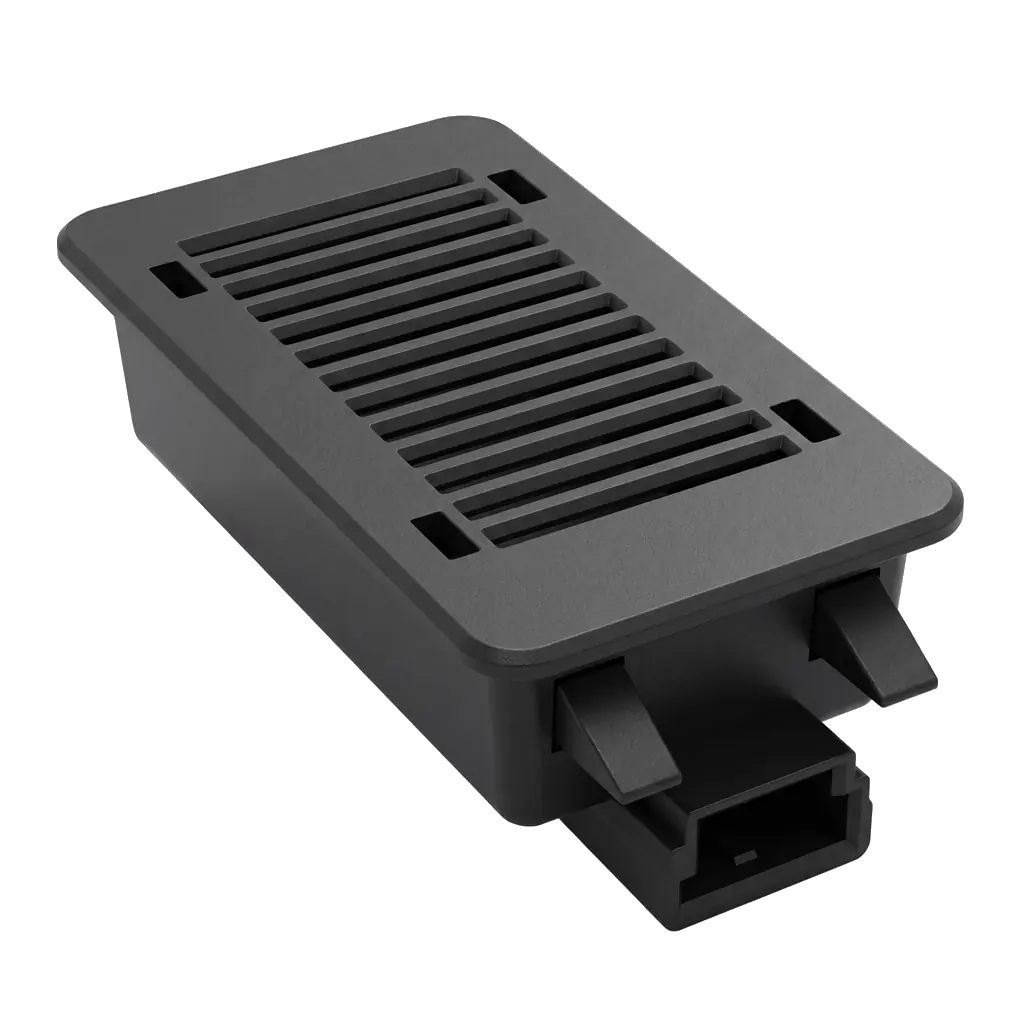
Automotive CO2 Sensor
Automotive-grade NDIR CO2 sensing for cabin air quality monitoring, intelligent ventilation and HVAC recirculation control.
Automotive-GradeRead more
NDIR CARBON DIOXIDE DETECTION
MAXMAC provides highly reliable co2 gas sensor solutions and flexible custom integration services for HVAC system manufacturers, smart home integrators, in-vehicle air quality control applications, and OEM customers worldwide. Our production is certified to ISO 9001 and IATF 16949, while our CNAS-accredited national laboratory provides comprehensive testing support. From rapid sample evaluation through high-volume production, we deliver complete OEM/ODM technical support to help ensure the stable operation of your co2 sensor detection systems.
PRODUCT CATALOG
Automotive-grade NDIR CO2 sensing for cabin air quality monitoring, intelligent ventilation and HVAC recirculation control.
Automotive-GradeRead more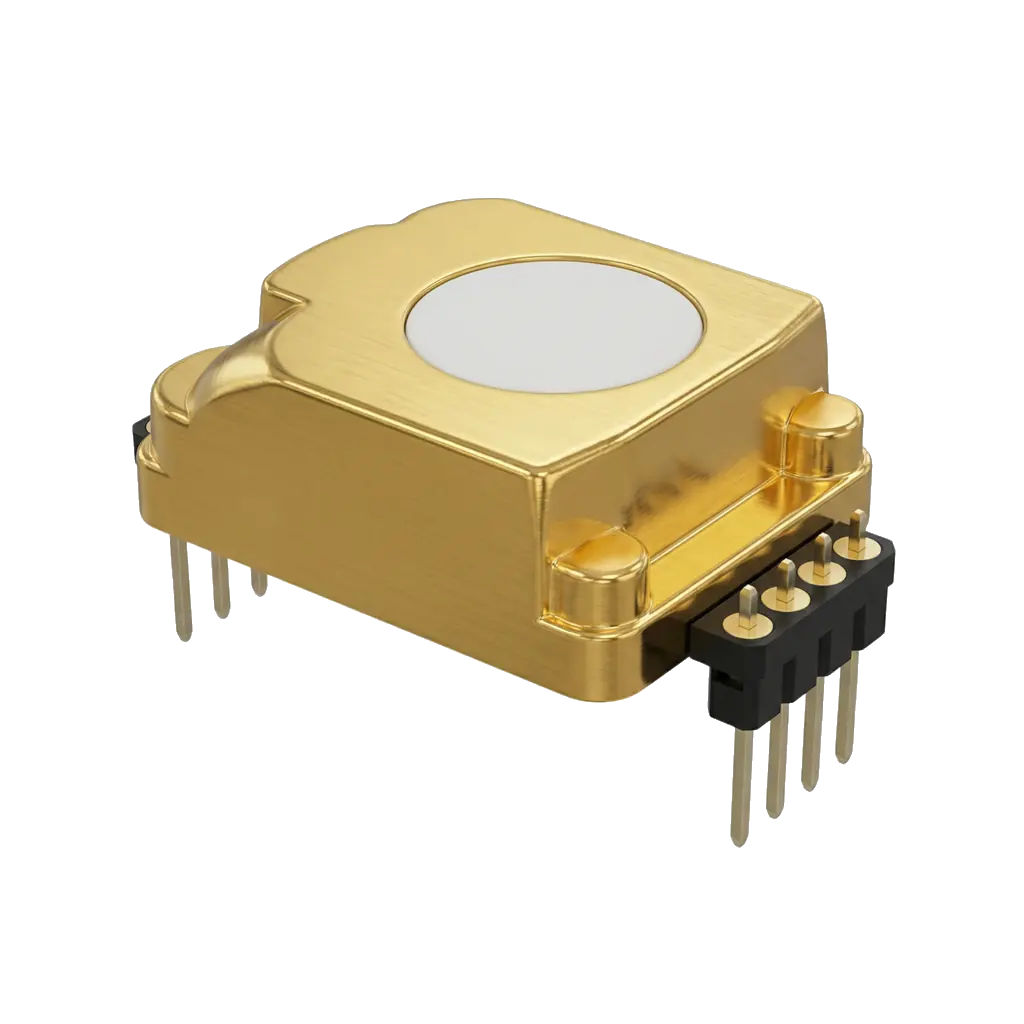
Dual-channel NDIR measurement for stable CO2 monitoring in HVAC ventilation, IAQ equipment and building control systems.
Read more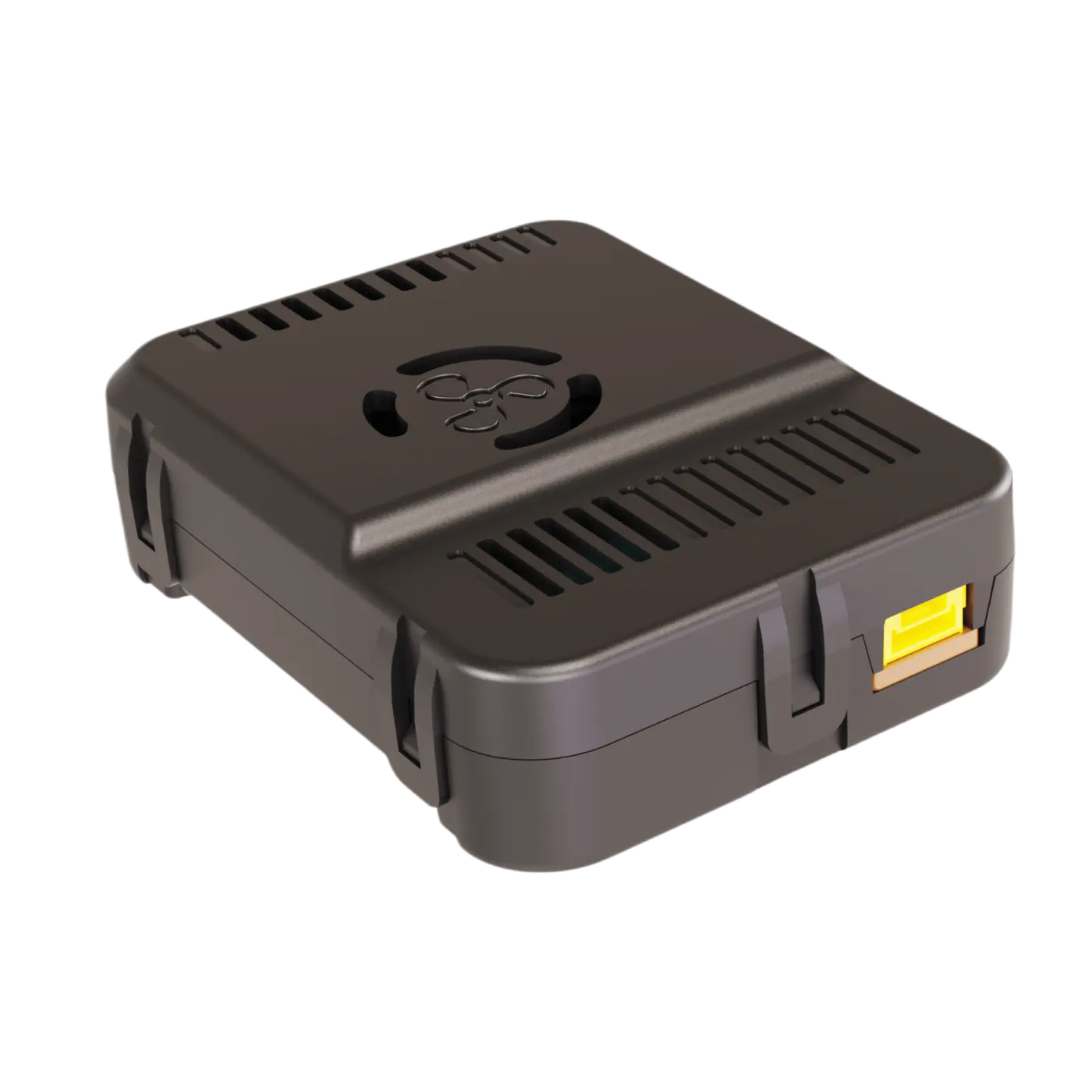
Complete IAQ sensing platform integrating PM2.5, CO2, TVOC, temperature and humidity for fresh-air units and smart ventilation control.
Read moreIntegrated PM2.5, CO2, temperature and humidity sensing for fresh-air units, AHU equipment and commercial HVAC control.
Read moreDedicated NDIR CO2 sensing for demand-controlled ventilation, fresh-air units and HVAC air quality management.
Read more
Dual PM sensing supports cabin and outside air comparison, while CO2 and AQS data support intelligent ventilation and recirculation control.
Automotive-GradeRead more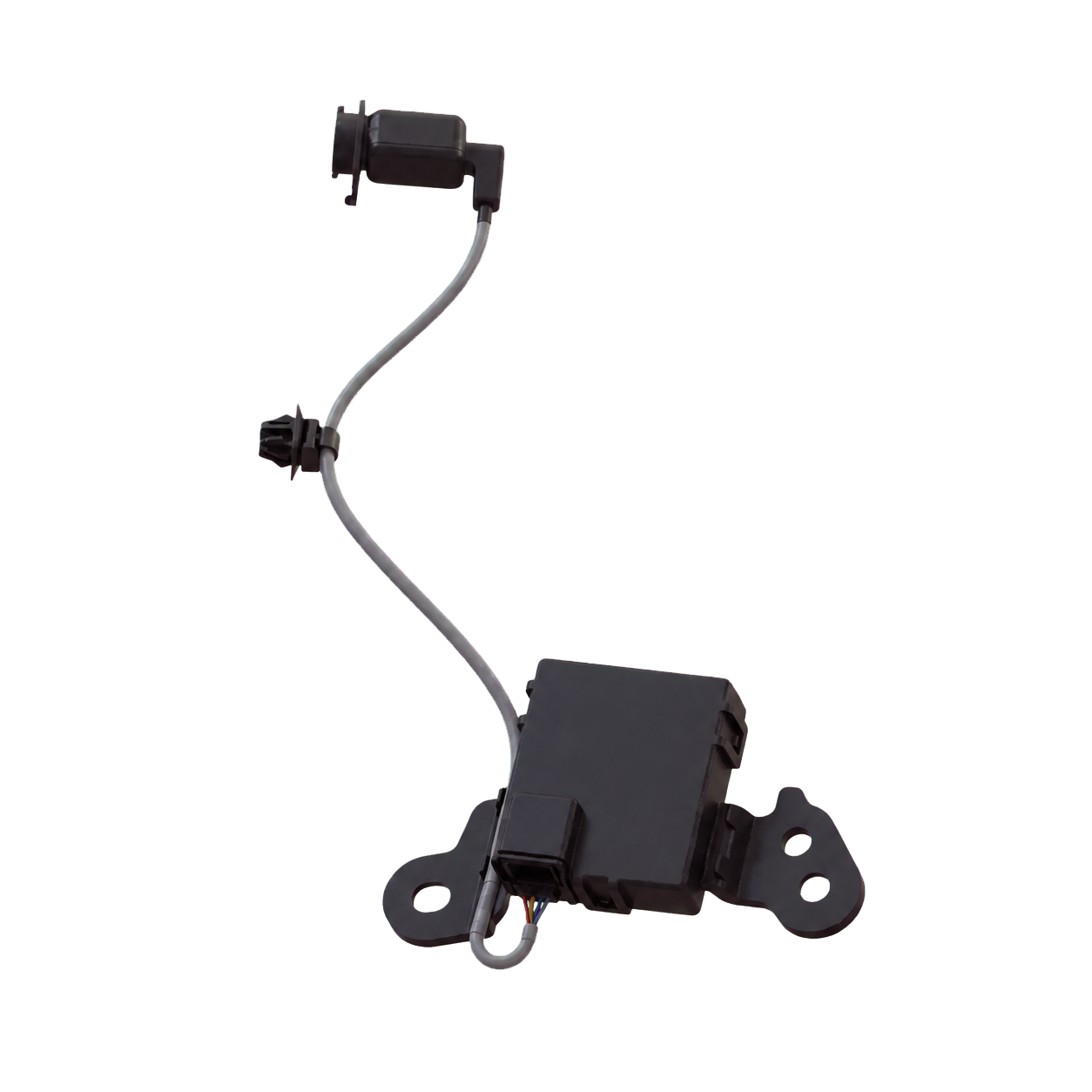
Compact multi-in-one sensing for comprehensive cabin air quality monitoring and simplified automotive HVAC integration.
Automotive-GradeRead more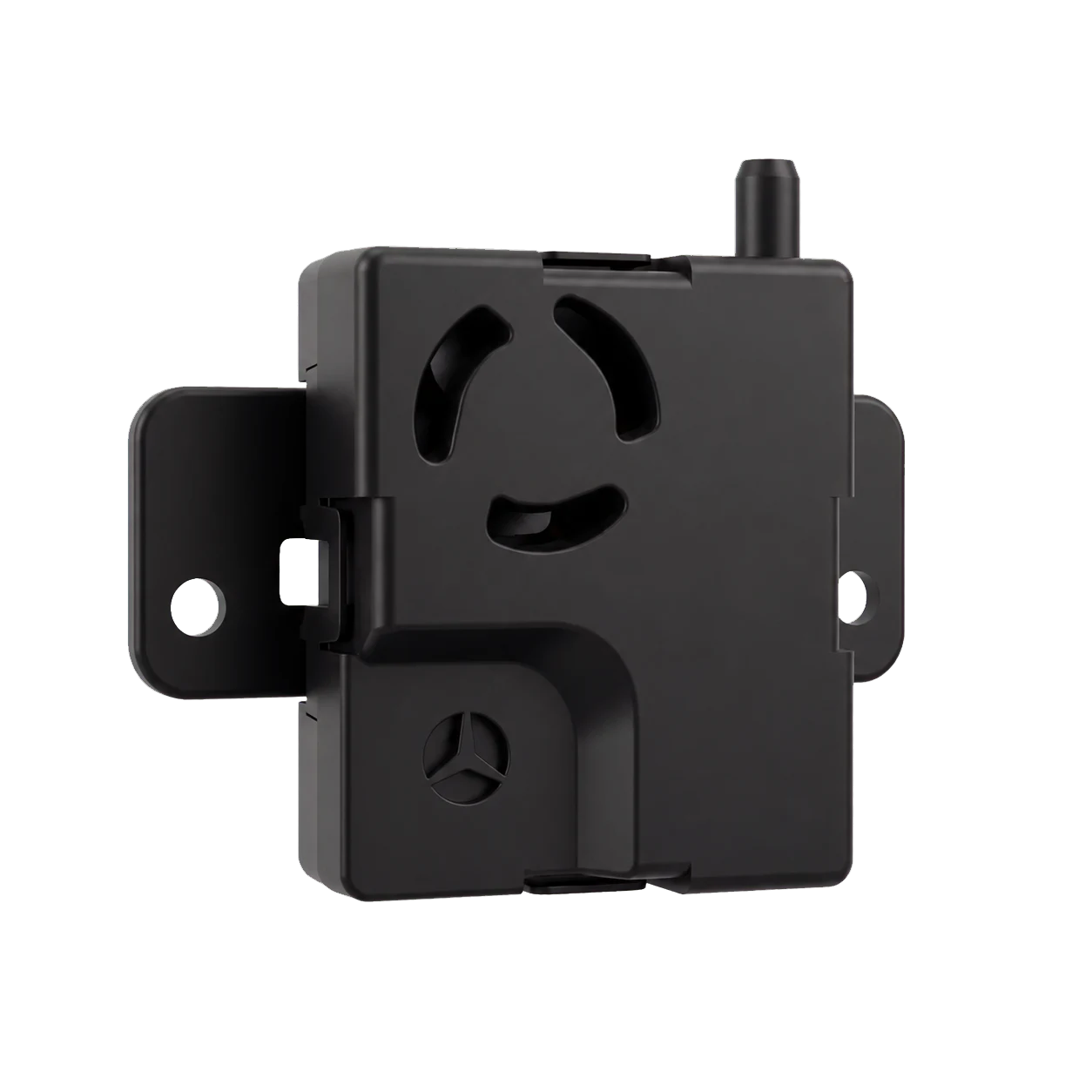
Integrated PM, CO2 and NTC temperature sensing for cabin air quality assessment and temperature-linked HVAC control.
Automotive-GradeRead more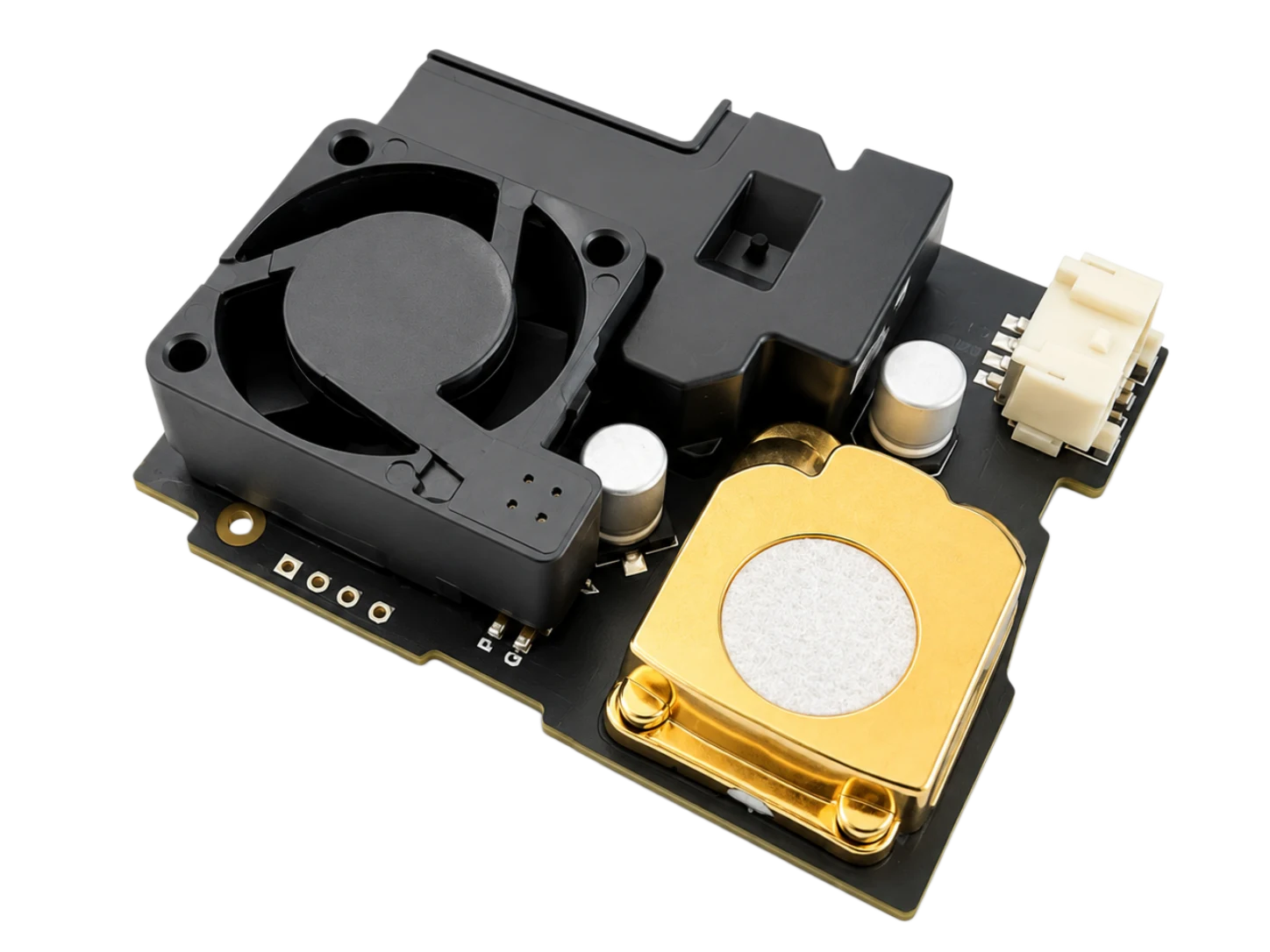
Configurable IAQ multi-sensor platform integrating PM2.5, CO2, temperature, humidity and optional AQS/TVOC sensing.
Read moreTECHNICAL DATA
TECHNICAL INSIGHTS
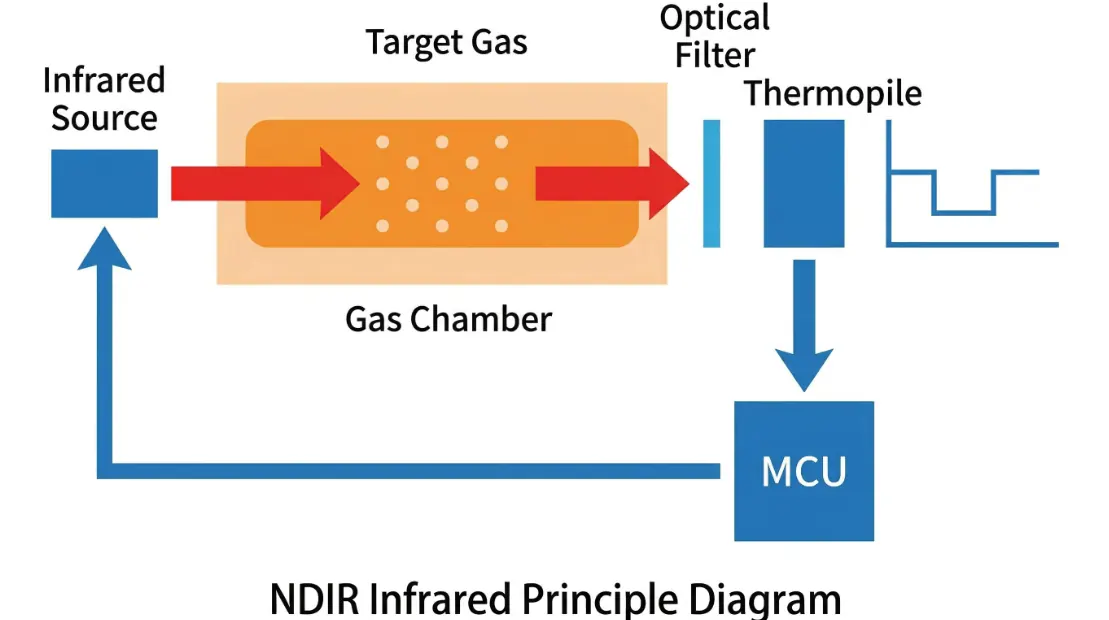
MAXMAC's ndir co2 sensor operates on the nondispersive infrared detection principle. CO2 naturally absorbs infrared light. When carbon dioxide in the surrounding air enters the independent optical gas chamber, it absorbs infrared energy at a specific wavelength. A precision optical detector then captures the resulting change in light intensity and converts it into a highly stable co2 sensor ppm concentration signal.
Our multi-point dynamic temperature and humidity compensation algorithm effectively minimizes measurement influences caused by atmospheric pressure and changing environmental conditions. We also perform a second pre-delivery calibration to correct potential zero-point drift caused by unpredictable mechanical stress within the CO2 optical chamber. Together, these measures help ensure the consistency and reliability of every CO2 sensor delivered to our customers.
TECHNICAL ADVANTAGES


During production-line assembly or in-factory handling, human operation can cause micron-level deformation or displacement in the optical chamber, immediately affecting system accuracy. To address this risk, MAXMAC uses a Two-Point Calibration process: the co2 sensor receives its initial calibration during production, followed by a second calibration of each independent co2 sensor module before shipment. These two controlled stages compensate for subtle mechanical-stress deformation introduced on the production line, helping every delivered module achieve consistent, high-level accuracy.
To ensure precision across the entire measurement spectrum, our advanced laboratory uses an automated gas chamber to perform 100+ point calibration. This guarantees that the co2 sensor maintains linear output and stable co2 sensor ppm readings even under drastic gas concentration fluctuations, preventing drift during long-term field operation.
Backed by our in-house R&D engineering team, we provide customized communication interfaces for HVAC systems and automotive applications, including UART, LIN, CAN, RS485, and PWM. Connector types, communication protocols, and data output formats can also be tailored to match your existing control system and integration requirements.
Every sensor design undergoes comprehensive verification in our CNAS-accredited national laboratory. Through extreme-temperature, high-humidity, and mechanical-shock testing, we ensure our co2 sensor hvac, co2 sensor for home, and co2 sensor for car applications can withstand harsh real-world environments without performance degradation.

Complete CO2 sensor modules are calibrated after assembled. Testing the finished module captures mechanical stress, optical-path variation and electronic tolerances that component-only checks can miss.
Each connected unit is adjusted and verified against controlled reference equipment before shipment. This OEM-ready process improves module-to-module consistency and confirms that the final data output remains accurate under the approved production configuration.
CUSTOMIZABLE CO2 SENSOR PLATFORM
Built on MAXMAC’s configurable IAQ multi-sensor platform, our co2 sensor ndir architecture combines calibrated carbon dioxide measurement with PM, AQS/TVOC, temperature and humidity options in one compact co2 sensor module. Each sensing combination can be selected around the measurement range, response time, installation space and environmental requirements of your OEM application.
Multiple measurements are consolidated through one data interface, simplifying wiring, PCB layout, firmware development and final product integration. OEM customers can also specify relay control, communication method, connector, firmware logic, calibration strategy, data format, PCB dimensions and mechanical structure.
Choose the particle-size outputs, measurement range, airflow design and calibration required by your application.
Add high-accuracy temperature and humidity data for environmental monitoring and sensor compensation.
Transmit all measurements through UART, I²C, PWM, analog voltage, RS485, CAN, LIN or a custom protocol.
Integrate calibrated NDIR CO₂ measurement into the same compact sensor module and unified data output.
Add AQS or TVOC sensing for odor, pollution-gas and indoor air quality control applications.
Relay control can be added or omitted to match the customer’s control strategy and PCB design.
Combine PM1.0, PM2.5, PM10, CO₂, AQS/TVOC, temperature and humidity functions according to product positioning and installation space.
One connector can transmit multiple sensor outputs, reducing wiring, controller inputs and integration complexity.
Customize relay control, communication protocol, connector, PCB dimensions, firmware logic, calibration and output format.
MANUFACTURING CAPABILITIES
As a professional Smart Sensor manufacturer, MAXMAC operates its own SMT production area with comprehensive PCB assembly and inspection capabilities. Key processes are completed in-house, including electronic component placement, reflow soldering, AOI inspection, firmware programming and functional testing. This integrated capability accelerates prototyping, pilot production and product iteration while supporting OEM/ODM customization of each air quality sensor module, including sensing combinations, interfaces, PCB dimensions, connectors and firmware logic.


MAXMAC combines automated production lines with flexible manual assembly to match different IAQ product structures, order volumes and customization requirements. Automated equipment protects consistency and delivery efficiency in volume production, while skilled workstations support complex assembly, pilot runs and customized air quality sensor module configurations.
Every production stage is connected to our MES system, enabling full traceability across material batches, PCB assembly, sensor calibration, firmware programming and finished-product inspection. This complete manufacturing data trail gives OEM/ODM customers dependable quality assurance and supports reliable volume delivery from an experienced Smart Sensor manufacturer.
TESTING & VALIDATION
MAXMAC’s CNAS-accredited laboratory brings product verification closer to our engineering and manufacturing teams, significantly shortening validation cycles and accelerating the transition from design to volume production. By identifying design weaknesses, potential failure modes, and risk-control points at an early stage, our laboratory capabilities help prevent issues before they reach customers or enter mass production.
Comprehensive mechanical, electrical, environmental, gas, and microbiological testing enables us to verify product performance under demanding operating conditions. This evidence-based validation process strengthens product stability, long-term reliability, and quality consistency while giving OEM/ODM customers greater confidence throughout development and delivery.


TARGET APPLICATIONS

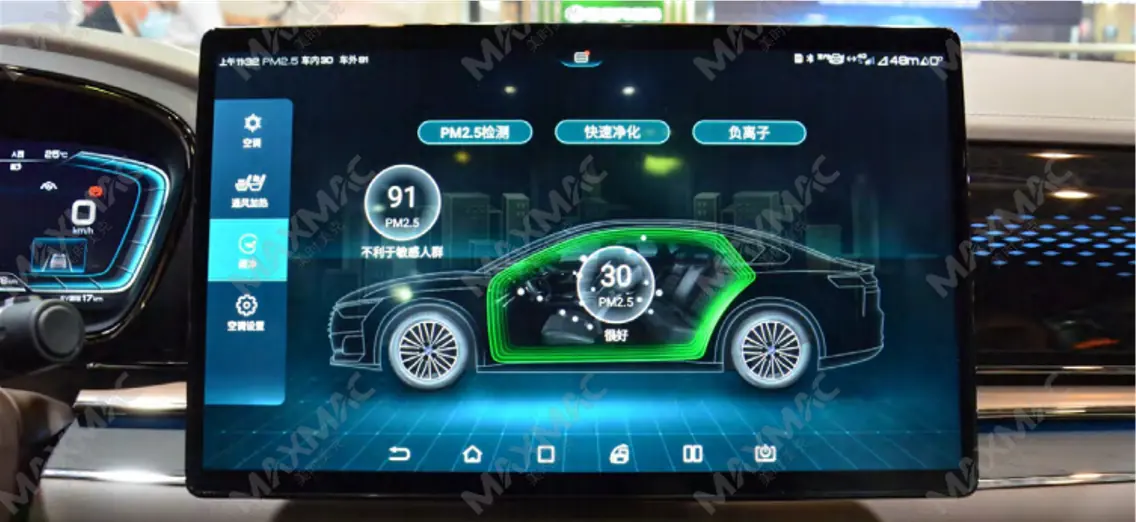
Elevated CO2 levels inside a vehicle can contribute to driver fatigue and, at severe concentrations, create an asphyxiation risk. Our co2 sensor for car is engineered for complex automotive vibration and extreme temperature variations. It continuously monitors cabin air quality and coordinates with the fresh-air system, supporting the evolving air-management requirements of intelligent cabins and new use cases such as fatigue-driving alerts, pet-left-in-vehicle safety, and whole-cabin air quality monitoring.
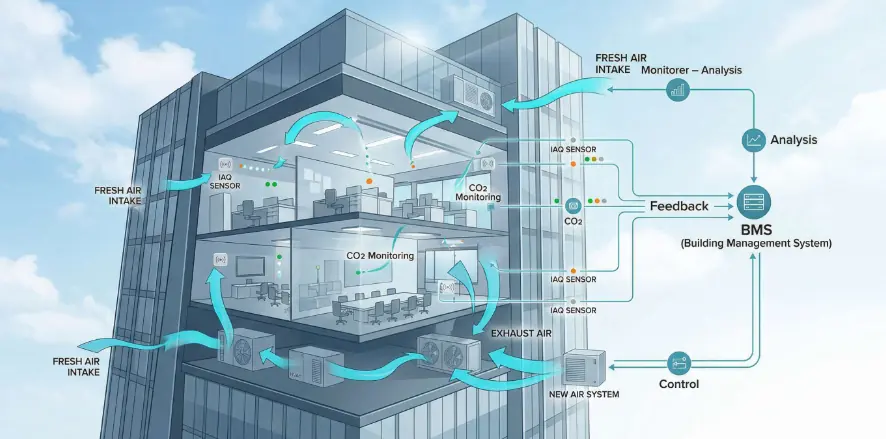
Demand-controlled ventilation (DCV) is central to reducing energy consumption in green buildings and intelligent building-control systems. MAXMAC's co2 sensor hvac accurately captures subtle changes in indoor carbon dioxide concentration and provides highly linear signal output for air purification, fresh-air systems, and large central air-conditioning systems. This helps system integrators achieve excellent energy efficiency while enabling comprehensive indoor air quality monitoring.

For indoor health protection, our module is an ideal sensing core for consumer electronics and commercial equipment. Whether integrated as a co2 sensor for home appliances to enable intelligent automation or embedded as the high-accuracy core of a handheld portable co2 monitor, it can be customized for an exceptionally compact footprint and ultra-low power consumption.
AUTOMOTIVE OEM APPLICATION
MAXMAC automotive multi-sensor solutions combine NDIR CO2 measurement with particulate matter, AQS and temperature inputs for coordinated cabin air quality management. The P0910, P15 and S21 platforms provide automotive OEMs with application-specific sensing combinations for intelligent cockpit and HVAC programs.
When recirculation remains active for an extended period, passenger respiration can raise the cabin CO2 concentration even when outside pollution is being blocked. Real-time CO2 data helps the climate-control system determine when fresh-air intake is required, while PM and AQS measurements help it evaluate outdoor pollution before opening the air flap. This multi-parameter strategy balances occupant alertness, air cleanliness and HVAC energy use.
OEM/ODM PRODUCT INTEGRATION
MAXMAC NDIR CO2 sensor modules can be integrated directly into HVAC controllers, indoor air quality panels, fresh-air equipment and air purification systems. Depending on the host architecture, real-time concentration data can be delivered through RS485, UART, LIN, CAN or another customized communication interface so the end product can adjust ventilation automatically as occupancy and indoor CO2 levels change.
Our multi-parameter platform can combine CO2 with PM2.5, AQS/TVOC, temperature and humidity in one compact assembly and unified data output. OEM/ODM customers can specify sensing combinations, connector and pin definitions, communication registers, firmware logic, alarm thresholds, enclosure structure and optional relay control to match the final equipment and production requirements.
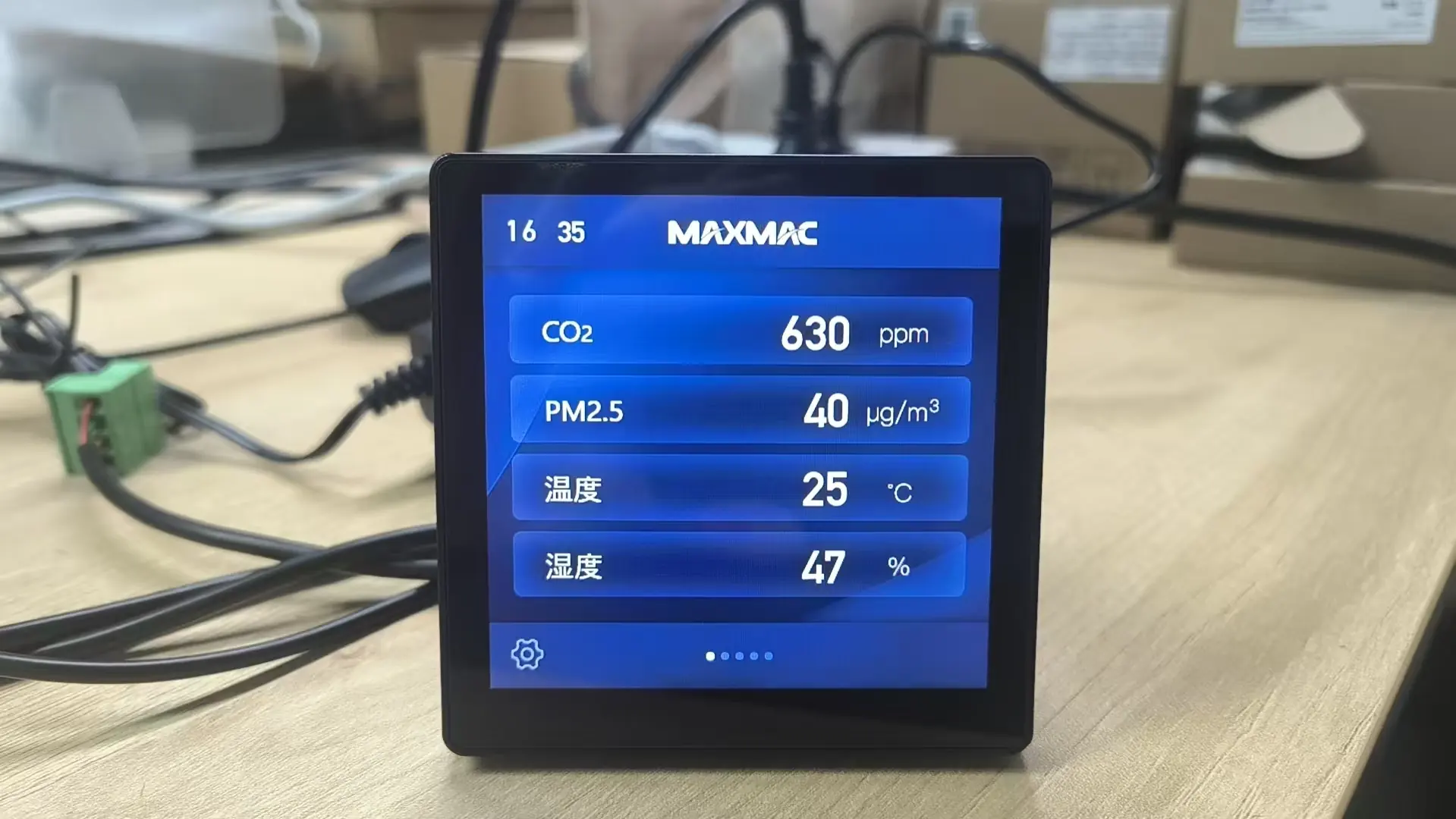
MAXMAC automotive-grade modules provide precise, linearized output across an exceptionally wide standard measurement range of 0 to 50,000 ppm. Rigorous calibration in our CNAS-accredited national laboratory enables a factory resolution of 1 ppm for detailed concentration tracking.
Accuracy is segmented for complex automotive temperature conditions. From 0-50°C, specified accuracy is ±50 ppm + 5% of reading. Across the extreme -40-0°C and 50-85°C automotive temperature ranges, accuracy remains ±100 ppm + 10% of reading. This wide-temperature performance supports vehicle programs intended for evaluation across diverse global climates.
Yes. MAXMAC has an established in-house electronic hardware and communications engineering team that supports mainstream and customized connectivity protocols.
For smart-building and IoT applications, we can develop an OEM zigbee co2 sensor hardware and software solution for integration with IoT gateways and mesh networks. Wireless expansion options can also include LoRaWAN, Wi-Fi, and Bluetooth Low Energy (BLE), subject to project requirements.
For automotive cabins and OEM vehicle programs, available wired options include UART (TTL), I2C, and PWM, together with automotive LIN 2.1, CAN bus, and industrial Modbus/RS485 communication. Connector types, protocols, and data formats can be tailored to the customer's control architecture.
The standard co2 sensor module does not include a passive or active buzzer; it primarily transmits concentration data through digital or analog interfaces. Finished or semi-finished configurations with an integrated enclosure and alarm relay are available as customization options.
A repeated co2 detector chirping alert is normally initiated by the surrounding controller or alarm program. Common triggers include a CO2 concentration above the configured threshold, a low-voltage warning, or detected calibration drift. MAXMAC can customize factory alarm thresholds and provide compensation logic designed to reduce false alarms caused by changing system environments.
Depending on the product configuration and intended industry application, supporting compliance can include CE and RoHS documentation, production under an IATF 16949 automotive quality-management system, and application-specific explosion-protection or fire-safety qualification. Required certifications should be confirmed against the selected module and final equipment design.
MAXMAC also operates an independent CNAS-accredited national laboratory. From the early design and product-selection stage, our team can support extreme temperature and humidity cycling, mechanical vibration testing, and EMC analysis. This early validation helps identify integration risks, supports demanding international project requirements, and can reduce later compliance and redesign costs.
No secondary aging or on-site calibration is normally required. MAXMAC supplies a Ready-to-Use sensor designed for a maintenance-free integration experience.
Conventional sensing elements can drift after absorbing moisture during transportation and storage or after exposure to interfering gases, forcing manufacturers to add costly secondary aging and calibration processes to their production lines. Every MAXMAC sensor instead undergoes automated multi-point factory calibration followed by a high-precision second calibration, helping ensure an accurate baseline before delivery.
MAXMAC maintains a complete automotive- and industrial-grade lifecycle quality-control process because a single component failure can create significant risk in industrial automation and automotive OEM supply chains.
Quality systems and component validation: Manufacturing follows the IATF 16949 automotive quality-management system, while key semiconductor and optical components are selected and validated against applicable reliability requirements, including AEC-Q100 where relevant.
100% automated in-line inspection: Every production module undergoes leak testing, electrical-characteristic scanning, and multi-point gas-concentration linearity verification rather than relying solely on batch sampling.
MES traceability: Production records support batch-level tracing and corrective or recall actions when required.
Pre-aged and stable: Core components complete a defined aging cycle before shipment to release manufacturing stress and stabilize environmental performance before arrival at the customer's production line.
Interference-resistant physical design: A proprietary optical chamber and layered protection improve resistance to high humidity, mixed background gases, and contamination during long-term operation.
RELATED PRODUCTS

NDIR CO2 refrigerant leak sensors for heat pumps and refrigeration systems.
Read more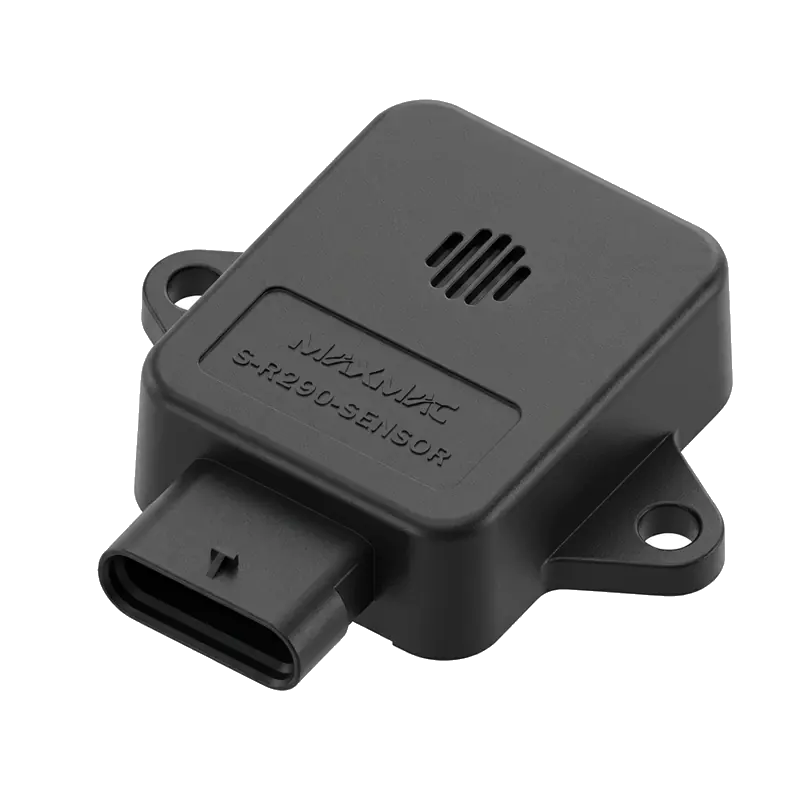
Explore refrigerant gas sensing solutions for leak detection in HVAC, heat pump and refrigeration equipment.
Read more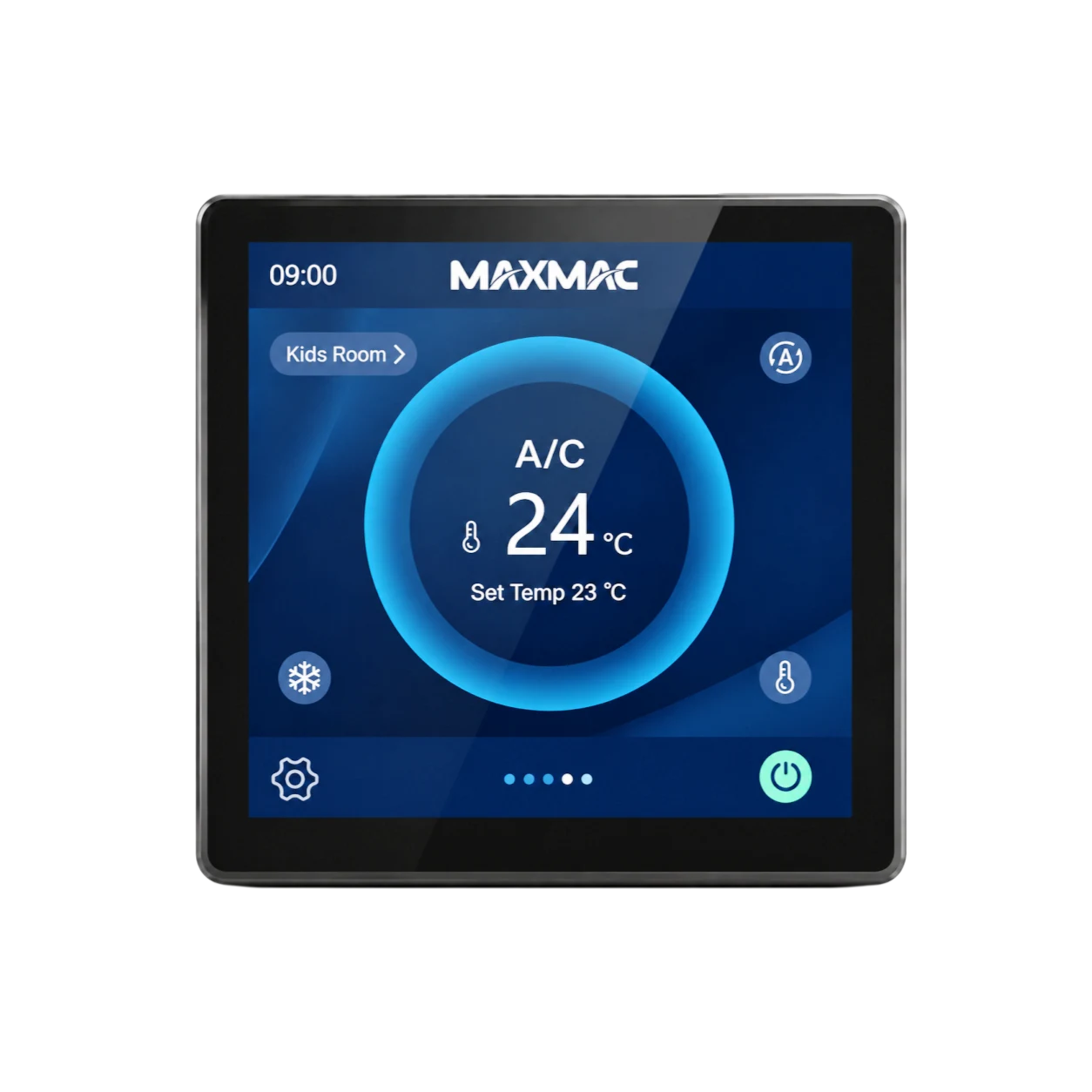
Explore smart thermostats and HVAC controllers for connected temperature control, ventilation and indoor air quality monitoring.
Read more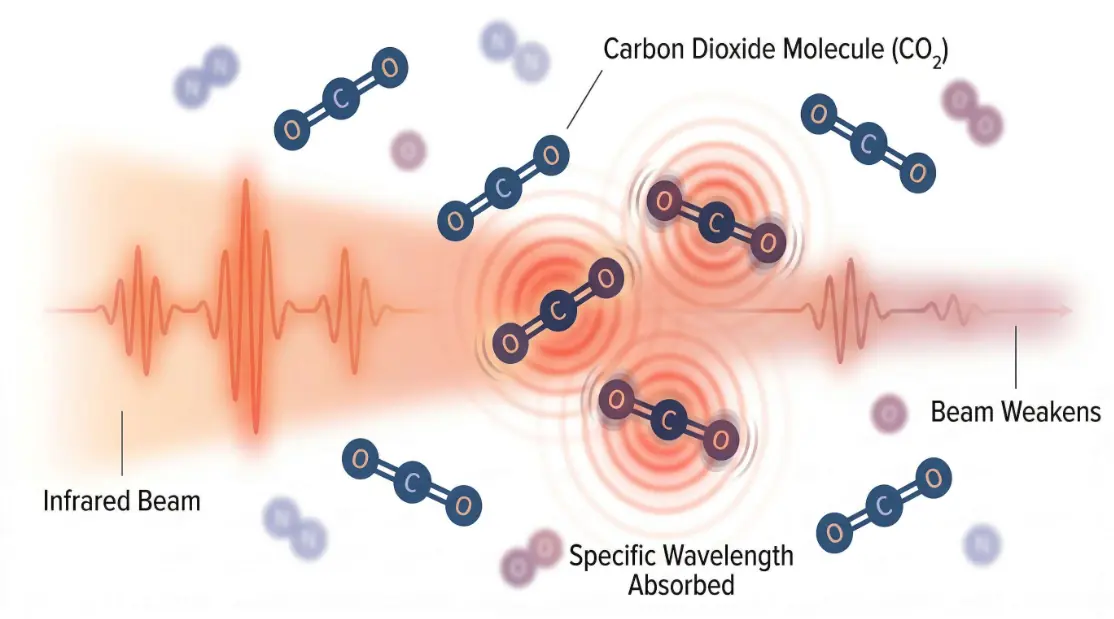
Explore how NDIR sensors use wavelength-specific infrared absorption to measure carbon dioxide concentration accurately for HVAC, fresh-air, automotive, industrial, and environmental monitoring systems.
Read ArticleLearn why prolonged recirculation can allow carbon dioxide to accumulate inside a vehicle and how CO2 sensing supports intelligent fresh-air control.
See how room-level sensing, fresh-air equipment, and HVAC controls work together to create responsive indoor air quality management.
Compare sensing principles, selectivity, stability, power use, true CO2 measurement, eCO2 estimation, and application suitability.
Our product experts will provide the most suitable air solutions and product recommendations.