Continuous Cabin CO₂ Awareness
Give the vehicle controller a direct CO₂ sensor input to follow changing cabin conditions throughout the journey.
AUTOMOTIVE CO₂ MANAGEMENT APPLICATION
Bring a dedicated or integrated CO₂ input into the vehicle’s fresh-air and recirculation strategy.
Choose a dedicated automotive CO₂ sensor or a CO₂-capable automotive multi-in-one sensor. For an OEM host design, review the IAQ multi-sensor platform. Select the measurement combination and vehicle interface around the required ventilation inputs.
Discuss Your Application →
APPLICATION BENEFITS
Connect CO₂ sensing with vehicle-level decisions about fresh air, recirculation and occupant comfort.
Give the vehicle controller a direct CO₂ sensor input to follow changing cabin conditions throughout the journey.
Use measured CO₂ levels and trends to inform when the HVAC system should adjust fresh-air exchange.
Combine cabin CO₂ with available outside PM and AQS inputs when evaluating fresh-air and recirculation choices.
Provide ventilation-demand inputs for platform strategies that also consider cabin temperature and HVAC energy use.

RECIRCULATION & REAL-WORLD DRIVING
Cabin air changes as occupants breathe. During extended recirculation, automotive CO₂ sensing supplies ventilation context to the controller. Combined CO₂, PM and AQS inputs or a selected multi-sensor configuration can add the outside-air and comfort context required by the platform.
SENSING TO CONTROL
MAXMAC sensors provide the inputs. Vehicle control software and HVAC turn them into a measured ventilation response.
SENSOR
Measure cabin CO₂ and send real-time readings to the vehicle controller.
VEHICLE CONTROLLER
Use CO₂ levels and trends to evaluate cabin ventilation demand.
VEHICLE CONTROLLER
Balance fresh-air demand with outside-air inputs and comfort targets.
HVAC
Adjust fresh-air intake and airflow to carry out the selected strategy.
SENSOR + CONTROLLER
Track the CO₂ response and use the feedback to refine ventilation.
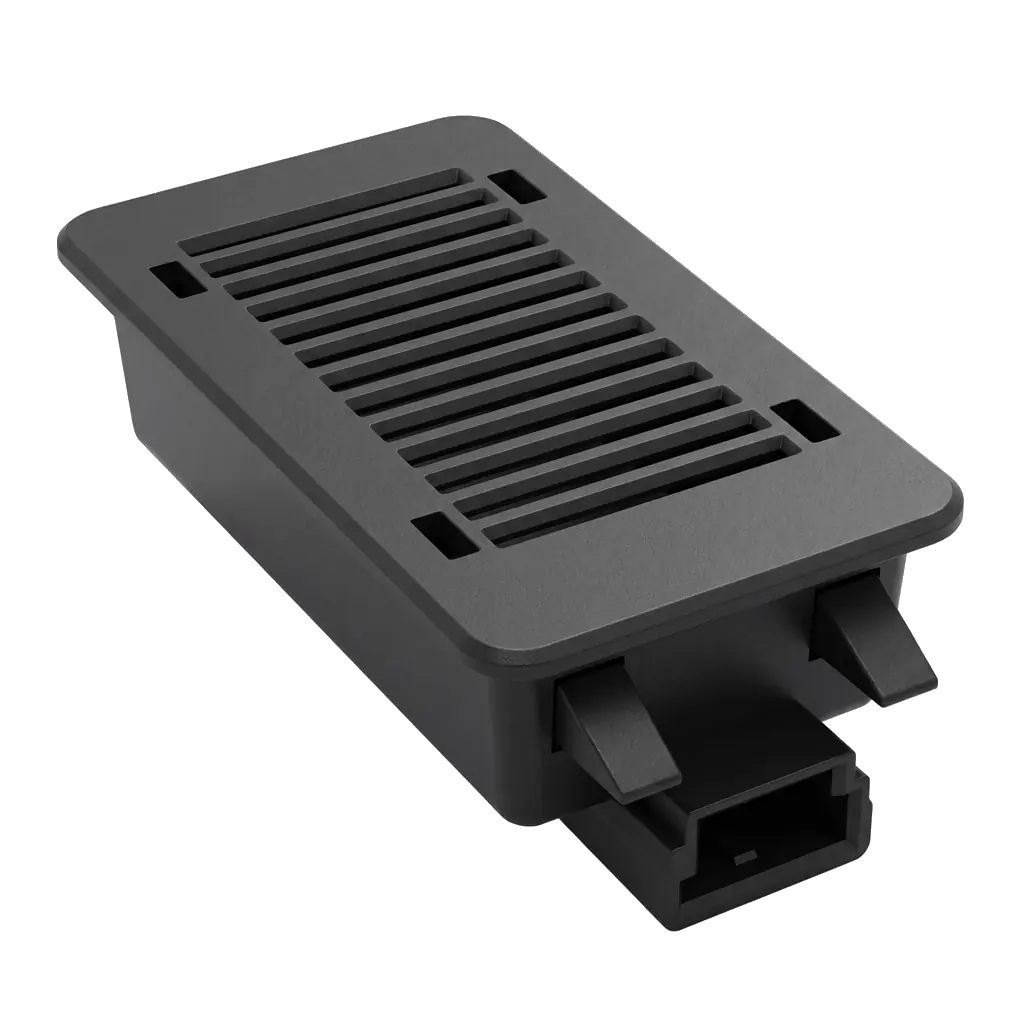
Automotive-grade NDIR CO2 sensing for cabin air quality monitoring, intelligent ventilation and HVAC recirculation control.
Read more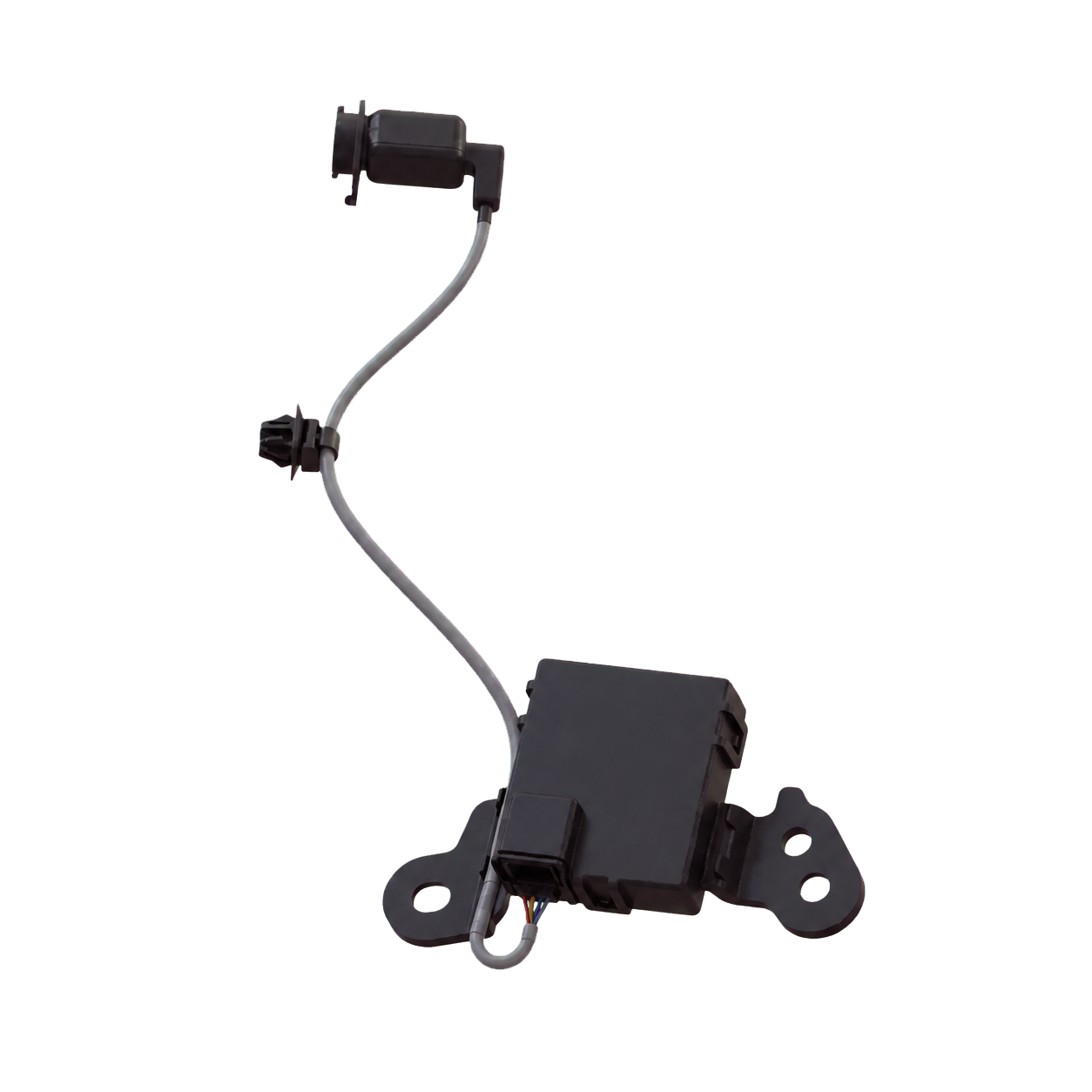
Compact multi-in-one sensing for comprehensive cabin air quality monitoring and simplified automotive HVAC integration.
Read more
Dual PM sensing supports cabin and outside air comparison, while CO2 and AQS data support intelligent ventilation and recirculation control.
Read more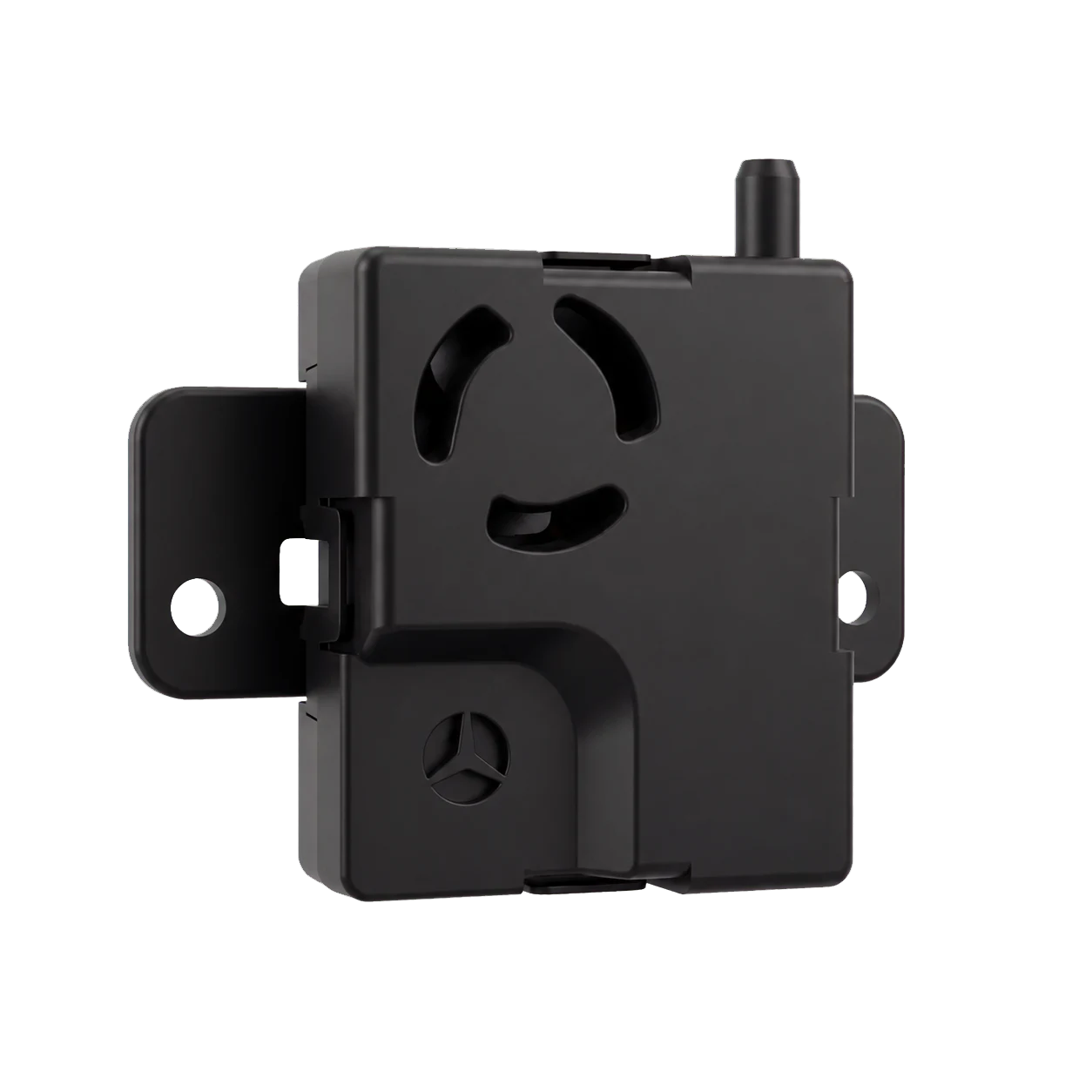
Integrated PM, CO2 and an automotive NTC temperature sensor for accurate cabin air quality assessment and temperature-linked HVAC control.
Read more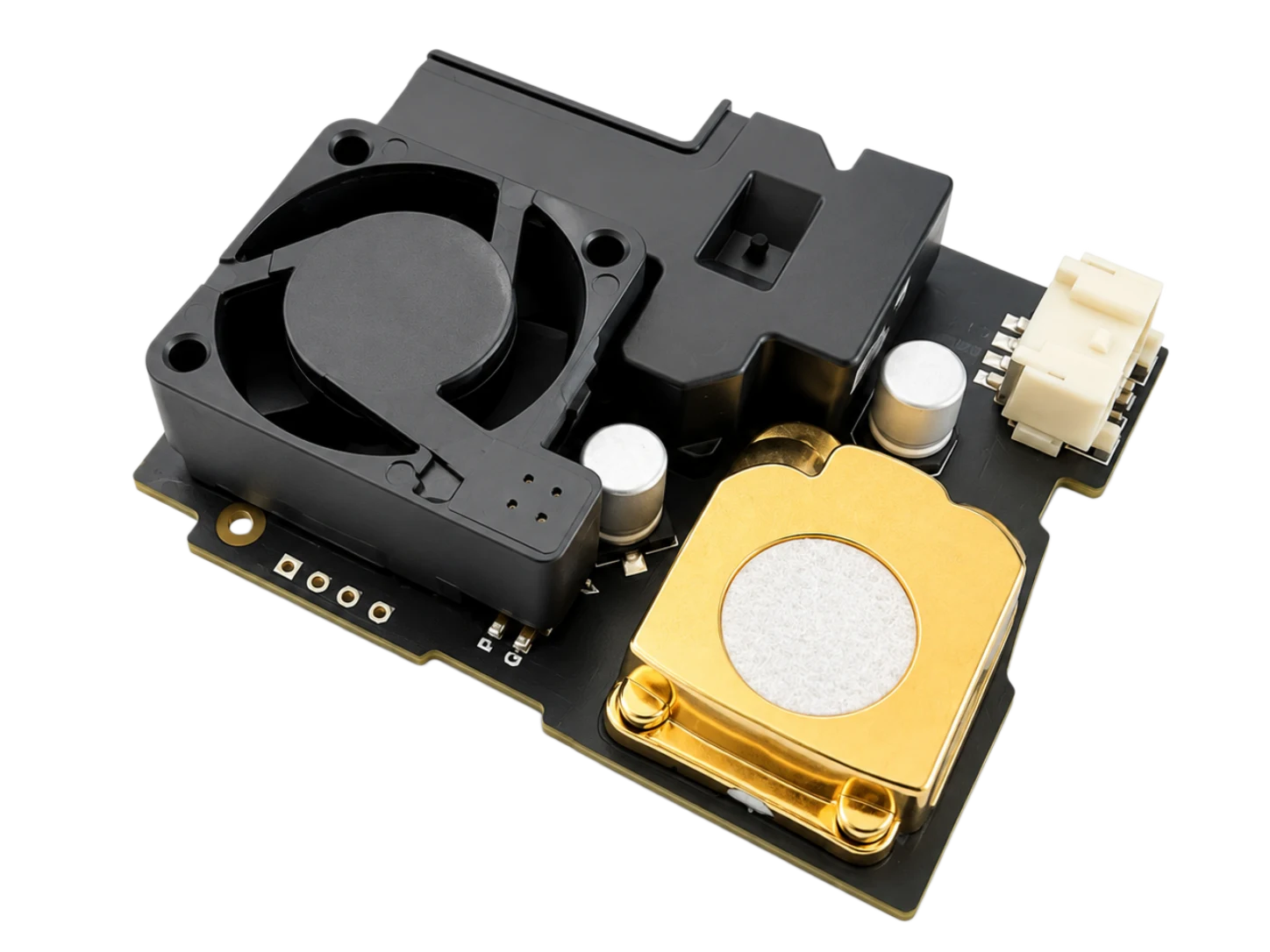
Select the measurement combination, PCB or housing format and host interface for the vehicle project.
Explore the Platform →RELATED INSIGHT
Why does a cabin need CO₂ sensing alongside PM2.5? Explore the relationship between recirculation, occupant breathing and fresh-air demand, with observations from in-vehicle testing.
Read Article →For hardware design, explore the multi-sensor integration guide and IAQ platform options.
RELATED SOLUTIONS & APPLICATIONS
Continue with the sensing task or integration architecture most relevant to your vehicle project.

Application
Review the complete sensing layer and its connection with the vehicle controller.
Explore the Application
Application
Use AQS and particle inputs to inform intake decisions alongside cabin ventilation needs.
Explore the ApplicationSolution
Compare dedicated CO₂ sensing and integrated platform formats for the host device.
Explore the SolutionShare the CO₂ measurement needs, host interface and available outside-air inputs. We can help you compare dedicated and multi-in-one sensing.